Databricks、coding agentsをUnity AI Gatewayの統制下に置きMCPと費用を管理
Original: The era of production-ready coding agents is here, but so is the risk of coding agent sprawl. Today, we’re introducing Coding Agent Support in Unity AI Gateway to bring these tools under a unified governance layer: - Centralized Governance across coding agents, LLM interactions and MCP integrations - Simplified cost management with ability to control rate limits and budgets for every single coding tool. - Unified observability for AI Coding Tools that gives real-time insights into code metrics and costs View original →
この投稿が示した変化
Databricksは2026年4月17日のX投稿で、企業がcoding agentを本番利用する際の次の課題を示した。焦点はモデル性能ではなく、運用統制である。投稿はThe era of production-ready coding agents is hereと書き、Unity AI GatewayにCoding Agent Supportを加えて、agent系ツールを共通のgovernance layerに置くと説明した。
DatabricksのXアカウントは、Lakehouse、Mosaic AI、Unity Catalog、enterprise data governanceに関する製品更新を流すことが多い。今回の高シグナルな点は、新しいLLMそのものではなく、LLMを呼び出し、MCP serverにつなぎ、コード変更まで進める道具をどう管理するかにある。
リンク先ブログで分かる実装面
Databricksのブログによれば、Unity AI Gatewayはcoding agentsを扱う管理面へ拡張される。中核は3点だ。coding agentsとMCP integrationsに対するcentralized governance、各coding toolごとのrate limitsとtoken budgetsによるcost management、そしてcode metricsとcostsを見られるunified observabilityである。チーム単位でIDE pluginやCLI agentを導入する状況では、gatewayが共通の制御面になる。
Unity Catalogをすでに使う組織にとって、この構成は実務的だ。coding agentは質問に答えるだけではない。repositoryを読み、build systemを動かし、pull requestを作り、内部文書やデータへアクセスする。どのagentが、どのmodelを、どのbudgetで呼んだのかを残せなければ、セキュリティ審査も費用管理も後追いになる。
次に見るべき点
次の焦点は、この統制層が実際の開発環境の複雑さをどこまで吸収できるかだ。IDE plugin、hosted coding tool、社内MCP server、CLI agentが混在しても、policy exception、team budget、audit exportが自然に動く必要がある。大きな流れとしては、coding-agent governanceが独立したプラットフォーム分野になりつつある。
出典: source tweet, Databricks blog.
Related Articles
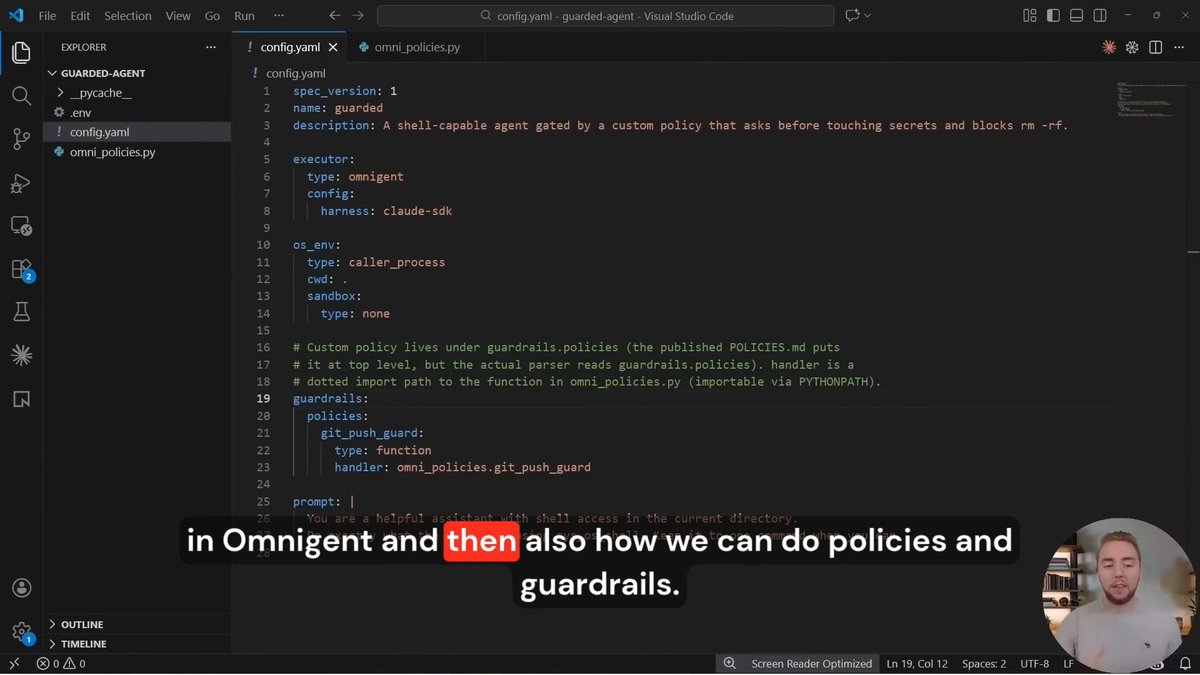
AI codingは単一assistantの選択から、複数agentの運用へ移っている。Omnigentはshared sessions、guardrails、human-in-the-loop workflowを持つopen-source meta-harnessだ。
エージェントに実行権限を渡すほど便利になる一方、ローカル環境をそのまま触らせる不安も大きい。Clawkは作業場所をネットワーク制限付きの使い捨てVMへ移す。
Googleは、coding agentsがmodel training dataのcutoffのため古いGemini API codeを生成しうると説明し、その対策としてDocs MCPとDeveloper Skillsを組み合わせて提示した。両方を使うと、eval setでvanilla prompting比96.3% pass rate、63% fewer tokens per correct answerを記録したという。