LlamaIndex LiteParse keeps PDF tables intact with grid projection
Original: LiteParse is an open-source, layout-aware PDF parser for AI agents using grid projection View original →
What the tweet revealed
LlamaIndex posted that LiteParse is an “open-source, layout-aware PDF parser” for AI agents. The tweet was created at 2026-04-22T16:00:35Z and links to a technical write-up explaining why PDF layout remains a hard input problem for agent systems.
The LlamaIndex account usually posts retrieval, document processing, LlamaParse, and agent infrastructure updates. This one is material because it is not just a hosted feature note. The linked blog describes a concrete algorithmic choice and points to an open-source repository, so developers can inspect the method rather than accepting a black-box parser.
Why grid projection matters
The blog starts from a practical fact: PDFs store text and coordinates, not reading order. Naive extraction joins items left-to-right and top-to-bottom, which can flatten columns, merge table cells, and erase alignment. Full layout analysis can be more accurate, but it often depends on heavier ML models or complex heuristics.
LiteParse takes another path. It projects text onto a monospace character grid, preserving spatial relationships without trying to classify every region as a table, column, or paragraph. The write-up details steps such as grouping items into lines with Y_SORT_TOLERANCE, detecting vertical gaps, and extracting alignment anchors where text consistently starts or ends. Those anchors help reconstruct columns and preserve the visual meaning that downstream agents need.
For document agents, this is high-signal because parser failures often look like reasoning failures. If a system loses a value’s row, header, or column, an LLM may produce a confident but wrong answer. A transparent parser gives teams a place to debug before blaming the model.
What to watch next is whether LiteParse gets benchmarked against Docling, MarkItDown, and commercial OCR services on messy invoices, financial tables, and scanned forms. The useful test is not whether it works on one clean PDF, but whether agents can cite stable evidence across thousands of real documents. Source: LlamaIndex source tweet · LiteParse technical blog
Related Articles
The Debian debate is really about accountability: who owns licensing, security, disclosure, and review when AI-assisted work enters a distribution.
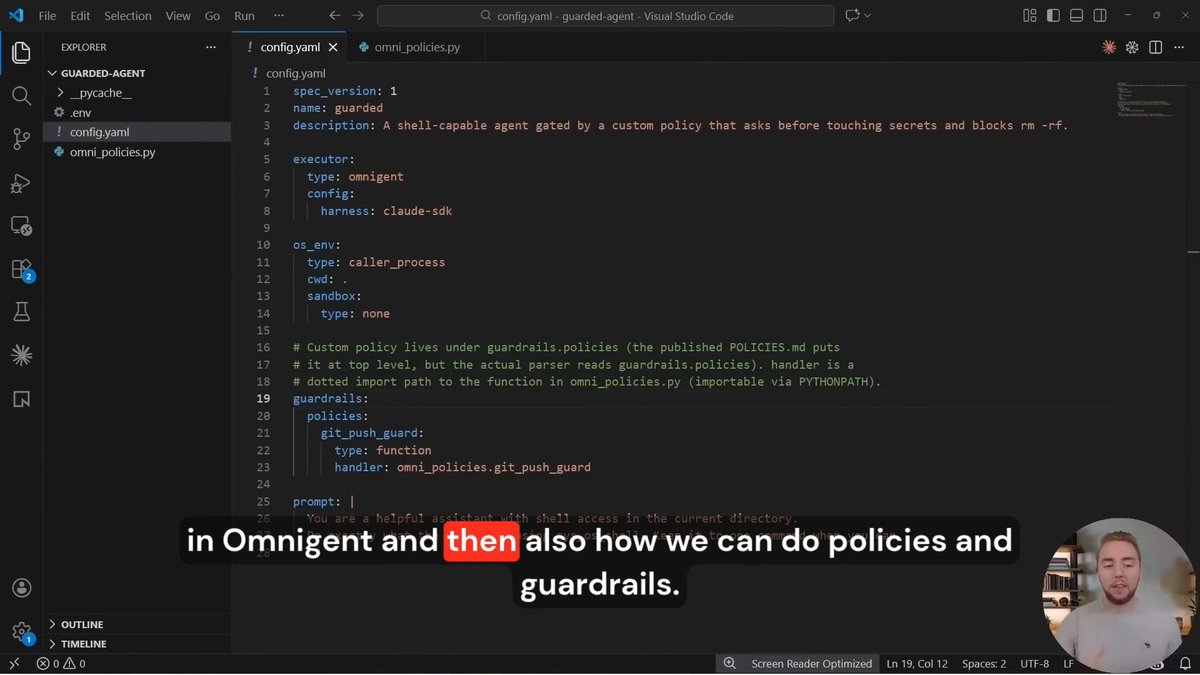
AI coding is shifting from picking one assistant to orchestrating several agents. Omnigent is an open-source meta-harness with shared sessions, guardrails, and human-in-the-loop workflows.
The coding-agent race is becoming more inspectable. xAI says it has open-sourced Grok Build, published the CLI code path, and reset usage limits for all users.