Meituan LongCat 1.5, 음성 기반 아바타 영상을 MIT 모델로 공개한 실험과 쟁점
Original: Meituan Releases LongCat-Video-Avatar 1.5 as MIT Model View original →

음성 기반 아바타 모델이 공개 모델로 이동
아바타 영상 생성 경쟁이 폐쇄형 서비스 중심에서 공개 모델 실험으로 넓어지고 있다. Gorden Sun은 소스 트윗에서 LongCat-Video-Avatar 1.5를 “음성 구동 영상 생성” 모델이라고 소개했다. 원문 트윗은 여기에서 확인할 수 있다.
프로젝트 페이지는 Meituan LongCat Team이 LongCat-Video 기반으로 만든 표현형 아바타 모델이라고 설명한다. 공개 데모는 립싱크, 노래, 애니메이션, 다자 상호작용을 나누어 보여주며, 1.0 대비 입 모양 정확도, 긴 영상에서의 정체성 유지, 상호작용 시나리오, 8-step 생성 속도를 개선했다고 밝힌다. 비교 섹션에는 HeyGen, Kling Avatar 2.0, OmniHuman-1.5가 같은 축에 놓여 있어 상용 아바타 도구와 직접 비교하려는 의도가 분명하다.
Hugging Face 모델 카드도 중요하다. 모델은 Diffusers, ONNX, Safetensors, Transformers 태그와 함께 올라와 있고, audio-text-to-video, audio-image-text-to-video, audio-driven-video-continuation, avatar, video-generation 태그가 붙어 있다. 라이선스는 MIT로 표시되며, 모델 카드는 민감하거나 고위험한 배포 전 정확성·안전성·공정성을 평가하라고 명시한다.
다음 관전점은 품질보다 배포 조건이다. 프로젝트 페이지의 윤리 고지는 데모 이미지와 음성이 실제 영상에서 파생될 수 있고 생성 콘텐츠는 학술 사용 목적이라고 설명한다. 반면 Hugging Face에는 MIT 라이선스가 표시되어 있어, 개발자는 모델 카드의 제한·법적 요구·데이터 권리 문제를 함께 검토해야 한다. 공개 모델이 상용 아바타 서비스의 품질 격차를 얼마나 좁히는지, 그리고 안전장치가 실제 앱 구현에서 얼마나 따라오는지가 핵심이다.
Related Articles

오픈 영상 생성 스택이 더 넓어지고 있다. MiniMax H3는 33B 파라미터 모델로 텍스트·이미지·참조 입력을 받아 4~15초 영상과 32kHz 스테레오 오디오를 생성한다.
13~17세라고 밝히거나 18세 미만으로 추정된 이용자는 이제 별도 ChatGPT 환경으로 자동 전환된다. 빠른 정답 대신 단계별 학습을 유도하고, 자해·섭식장애·성적 콘텐츠와 정서적 의존에 더 강한 기본 보호 장치를 적용한다.
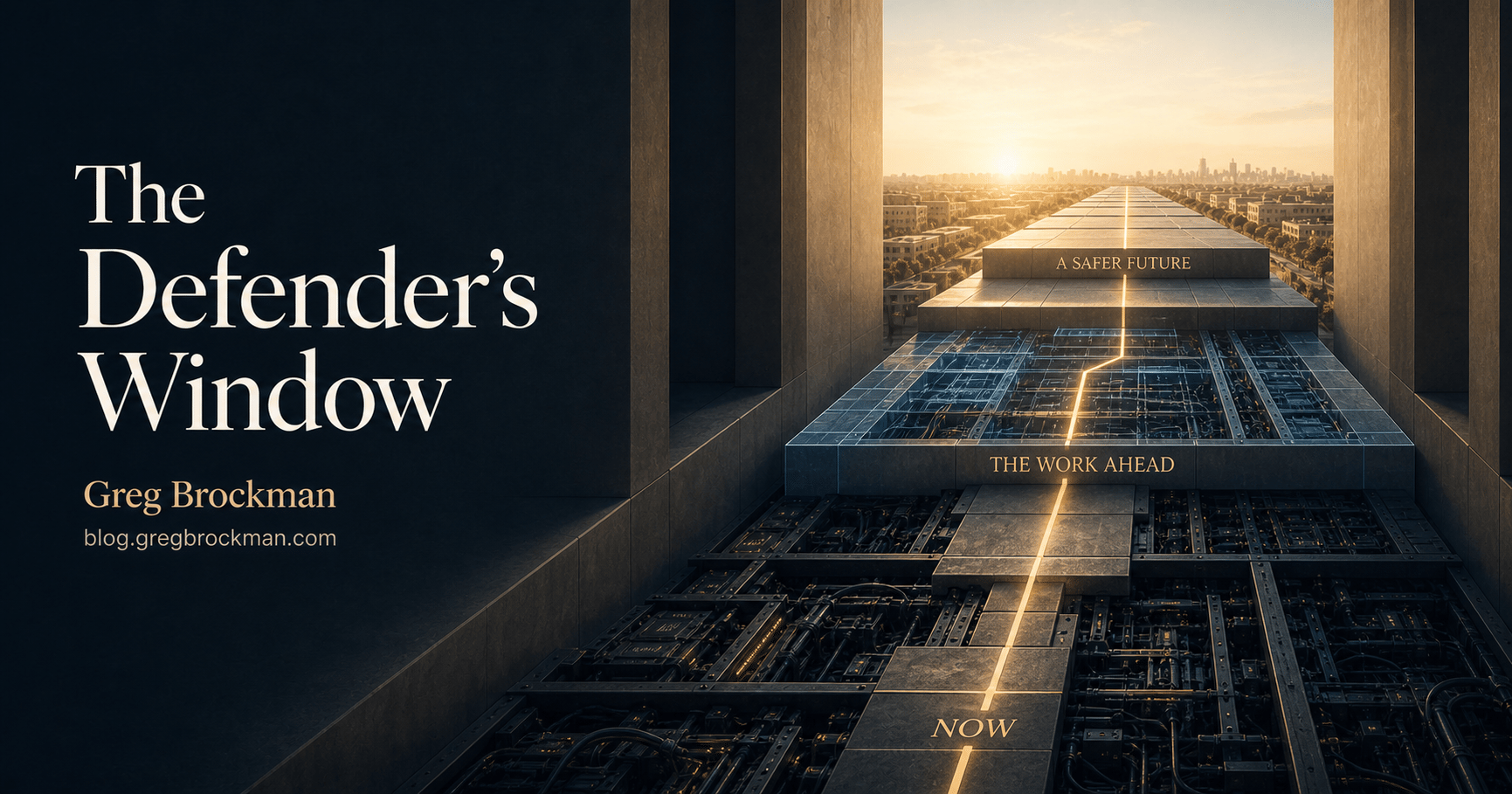
AI가 실제 시스템의 취약점을 연쇄적으로 악용할 수 있다는 위험이 실험실 밖에서 확인됐다. Greg Brockman은 공개형 GPT-5.6 Sol이 정적 웹사이트에서 15분 만에 13개 문제를 찾고 약 1시간 안에 수정했다고 밝혔다.