NVIDIA, production-scale physical AI 중심으로 글로벌 robotics 생태계 결집
원문: NVIDIA and Global Robotics Leaders Take Physical AI to the Real World 원문 보기 →
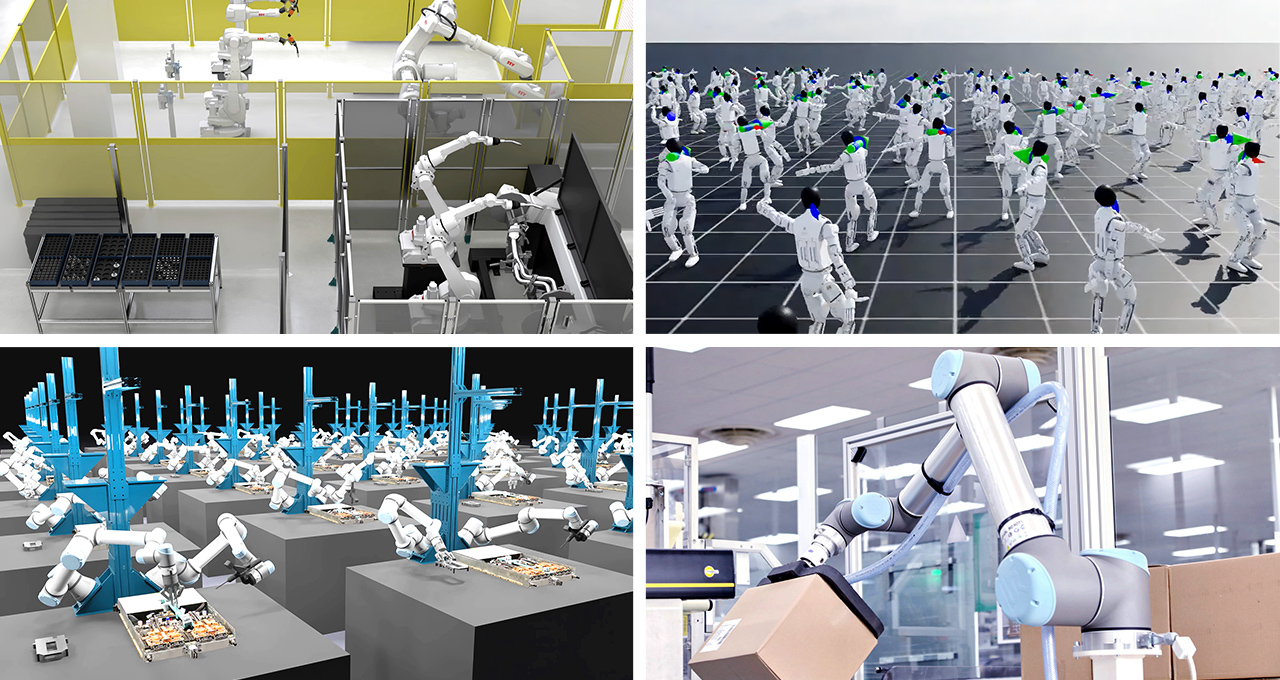
NVIDIA는 2026년 3월 16일 GTC에서 physical AI를 더 이상 연구 데모가 아니라 production 문제로 규정했다. 회사는 robot brain 개발사, 산업 자동화 기업, humanoid startup, healthcare robotics 기업이 synthetic data 생성부터 simulation, training, deployment까지 이어지는 하나의 stack 위로 모이고 있다고 설명했다.
핵심 축은 NVIDIA Cosmos world models, NVIDIA Isaac simulation frameworks, NVIDIA Isaac GR00T robot foundation models다. 발표에 따르면 ABB Robotics, FANUC, YASKAWA, KUKA는 Omniverse libraries와 Isaac frameworks를 virtual commissioning workflow에 통합해 실제 장비에 적용하기 전에 robot cell과 생산 라인을 digital twin에서 검증하고 있다. 또 production 단계로 넘어간 뒤에는 Jetson modules가 edge에서 real-time AI inference를 담당하는 구조다.
humanoid 진영에 대한 메시지도 강했다. NVIDIA는 1X, AGIBOT, Agility, Figure, Hexagon Robotics, Humanoid, NEURA Robotics가 Cosmos, Isaac Sim, Isaac Lab을 사용해 개발과 검증을 가속하고 있다고 밝혔다. Isaac Lab 3.0은 Newton physics engine 1.0과 PhysX를 기반으로 DGX급 인프라에서 대규모 robot learning을 빠르게 수행하도록 설계된 early access 제품이다. GR00T N1.7은 commercial early access로 제공되며, Jensen Huang은 GR00T N2를 미리 공개하면서 새로운 작업과 새로운 환경에서 leading vision language action models 대비 2배 이상 높은 성공률을 주장했다.
이번 발표는 humanoid를 넘어 factory, logistics, healthcare까지 범위를 넓혔다. NVIDIA는 CMR Surgical, Johnson & Johnson MedTech, Medtronic이 medical robotics에 이 stack을 적용하고 있으며, Skild AI, Foxconn, KION, Microsoft Azure, Nebius, CoreWeave, Alibaba Cloud가 이를 실제 산업 workflow와 연결하고 있다고 말했다. Hugging Face의 LeRobot framework와의 통합도 공개해 open source 개발자 저변을 넓히겠다는 방향을 분명히 했다.
핵심은 robotics 경쟁의 병목이 단순 hardware demo에서 통합 software toolchain으로 이동하고 있다는 점이다. 앞으로는 world models, realistic simulation, scalable training infrastructure, edge deployment 경로를 동시에 갖춘 사업자가 embodied AI의 다음 국면을 주도할 가능성이 크다.
왜 중요한가
- data generation, simulation, deployment를 하나의 robotics platform으로 묶었다.
- humanoid hype를 factory, warehouse, surgical robotics 같은 실제 도입 영역과 연결했다.
- 2026년 robotics 경쟁이 hardware만이 아니라 software infrastructure에 의해 좌우될 것임을 보여준다.
관련 기사
NVIDIA는 2026년 3월 16일 robotics, vision AI agent, autonomous vehicle 개발을 겨냥한 Open Physical AI Data Factory Blueprint를 공개했다. 핵심은 scarce real-world data를 synthetic data와 automated evaluation으로 확장해 physical AI 개발 속도를 높이겠다는 것이다.
NVIDIA는 2026년 3월 20일 Cosmos world foundation model 계열이 Transfer 2.5, Predict 2.5, Reason 2로 다시 진화했다고 밝혔다. 연결된 NVIDIA Technical Blog는 이번 업데이트를 고품질 synthetic data 생성, long-tail scenario 보강, 로봇·자율주행용 physical reasoning 강화로 설명한다.
ABB Robotics와 NVIDIA는 Omniverse libraries를 RobotStudio에 통합해 RobotStudio HyperReality를 2026년 하반기에 출시할 계획이라고 밝혔다. 양사는 99% sim-to-real 상관도와 최대 40% deployment cost 절감, 최대 50% time-to-market 개선을 기대한다고 설명했다.