OpenAI launches Codex Security research preview for validated code vulnerability remediation
Original: We're introducing Codex Security. An application security agent that helps you secure your codebase by finding vulnerabilities, validating them, and proposing fixes you can review and patch. Now, teams can focus on the vulnerabilities that matter and ship code faster. View original →
What the X post announced
On March 6, 2026, OpenAI Developers said Codex Security is now in research preview. The X post describes it as an application security agent that helps teams secure their codebases by finding vulnerabilities, validating them, and proposing fixes that humans can review before patching. That is a narrower and more operational promise than a general coding agent launch: OpenAI is explicitly targeting the path from security finding to verified remediation.
The linked Help Center article fills in the workflow. According to OpenAI, Codex Security currently connects directly to GitHub repositories, builds a codebase-specific threat model, scans repository history, validates potential issues in an isolated environment, and then surfaces proposed patches for human review. OpenAI breaks the system into three stages: identification, validation, and remediation.
Why the workflow matters
The documentation says Codex Security is meant to behave more like a security researcher than a traditional scanner. Instead of only matching signatures or emitting static alerts, it reads code, runs tests, explores realistic attack paths, and tries to reproduce issues before surfacing them. OpenAI also says the system relies on language-model reasoning, tool use, test-time compute, and large context rather than fuzzing or signature-based scanning alone.
That matters because many AppSec teams already have no shortage of alerts. The harder problem is deciding which issues are real, how they can actually be exploited, and whether a safe fix is available. By putting validation ahead of remediation and keeping the proposed patch under human control, OpenAI is trying to reduce false-positive drag without turning code changes into an unsupervised automation loop.
What teams should watch
There are still practical constraints. OpenAI says Codex Security scans commits in reverse chronological order, uses a threat model that teams can inspect and edit, and does not automatically change code. Enterprise and Edu admins can also control access through ChatGPT workspace permissions and role-based access controls. In other words, the product is being positioned as a reviewable workflow layer, not an autonomous security bot with merge privileges.
If the validation step proves reliable, the product could be useful for engineering organizations that want fewer unverified findings and faster handoff into pull-request based remediation. The real test will be whether it consistently catches meaningful flaws in large repositories while keeping noise low enough for security and platform teams to trust the queue.
Sources: OpenAI Developers X post, OpenAI Help Center
Related Articles
OpenAIDevs pointed developers to Codex Security on March 29, 2026, positioning it as a way to find, validate, and remediate likely vulnerabilities in connected GitHub repositories. OpenAI's docs say the system scans commit by commit, uses repo-specific threat models, validates high-signal findings in an isolated environment, and can move reviewed findings toward GitHub pull requests.
OpenAI made ChatGPT Lockdown Mode available to all logged-in users and added moderation scores to API generation requests on June 4. The changes move prompt-injection and data-exfiltration defenses from policy language into product controls.
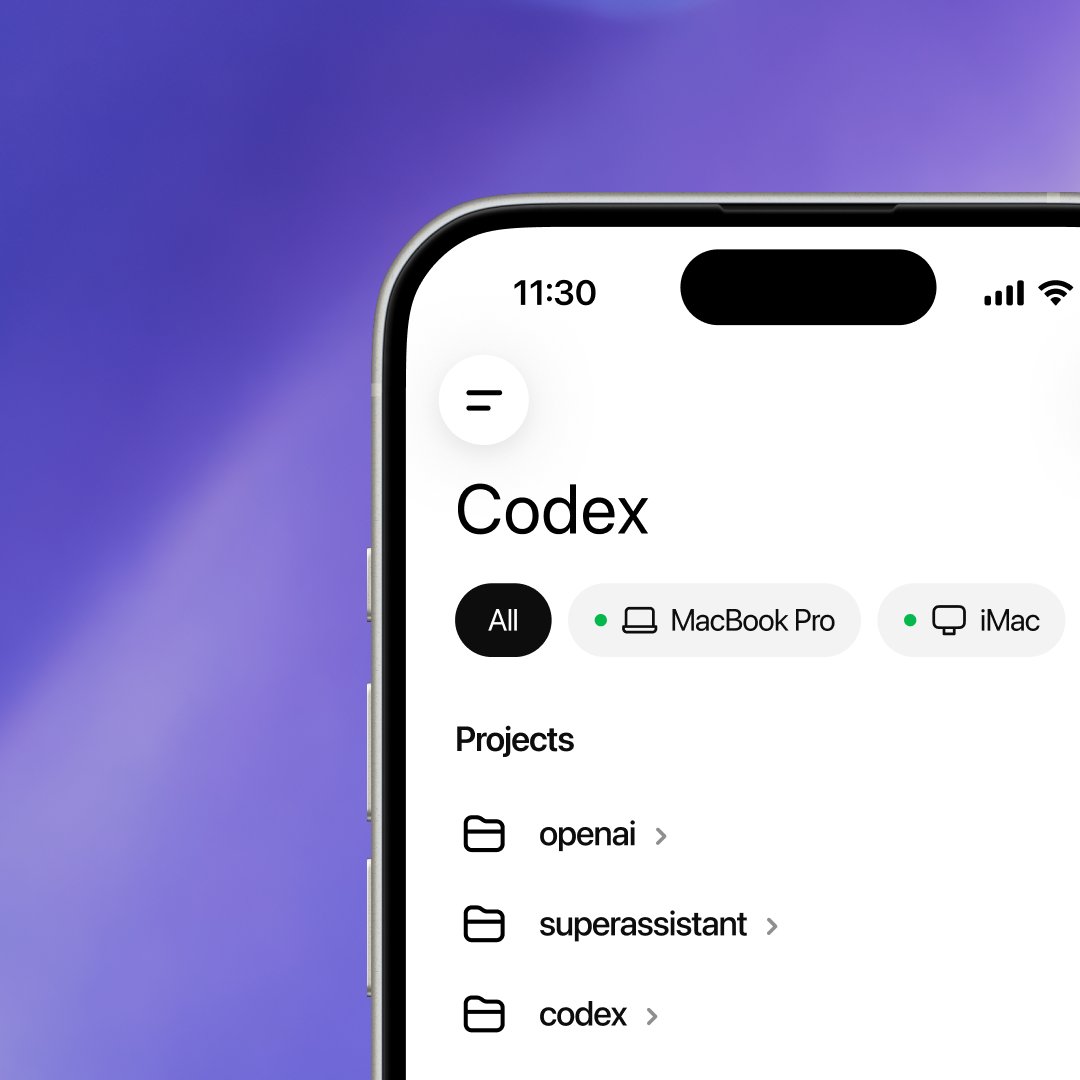
OpenAI announced that Codex, its AI coding agent, is coming to the ChatGPT mobile app, enabling users to write, edit, and debug code directly from their smartphones.