r/LocalLLaMA, 30개+ AI agent framework를 코드 수준으로 정리한 핸드북 공유
Original: Cheat sheet on how popular AI agent frameworks are build under the hood View original →
2026년 3월 20일 r/LocalLLaMA에서는 AI Agent Engineering Handbook 저장소를 소개하는 글이 올라왔다. 점수는 56 points, 댓글은 3 comments로 아주 큰 thread는 아니었지만, 이런 조용한 링크가 builder 커뮤니티에서는 오히려 더 큰 가치를 가질 때가 많다. 제품 소개가 아니라 실제 구현 패턴을 정리한 자료이기 때문이다.
이 저장소는 OpenClaw, Claude Code, LangGraph, CrewAI, Hermes Agent, Cline, OpenCode 등 30개 이상의 open-source framework를 읽고 modern AI agent가 실제로 어떻게 조립되는지 정리했다고 주장한다. 하나의 정답 architecture를 밀기보다, agent loop, system prompt, compaction, context rot, memory, tools, orchestration, planning, security, testing, deployment 전반의 반복 패턴을 체계적으로 묶는다.
왜 유용한 자료로 보였나
LocalLLaMA 사용자들이 이 링크를 끌어올린 이유는 분명하다. 저자는 100-line 수준의 agent loop도 강한 benchmark 수치를 낼 수 있으며, 실제 차이는 context assembly, memory, tool design에서 벌어진다고 주장한다. 또 context quality는 window가 거의 찼을 때만이 아니라 약 25% 수준부터 악화되기 시작하고, 비대한 MCP tool description이 user task를 읽기 전부터 context 대부분을 소모할 수 있다고 설명한다.
- 30개가 넘는 framework를 비교해 특정 stack 하나를 홍보하는 문서와 거리를 둔다.
- skills-as-markdown, compaction prompt, subagent 같은 세부 구현을 복사하고 실험할 수 있는 operational pattern으로 다룬다.
- lightweight agent, graph-based orchestration, role-based multi-agent, coding tool 중 무엇을 고를지 결정 가이드를 제공한다.
이 때문에 이 글은 단순한 링크 공유 이상으로 읽힌다. LocalLLaMA에는 local model이나 open model 위에서 agent를 만드는 사용자가 많고, 그들에게 필요한 것은 hype보다 작동하는 패턴이다. 개별 결론에 동의하지 않더라도, 이 저장소는 2026년 3월 시점의 agent ecosystem을 한곳에 모아 둔 지도로서 충분한 가치를 가진다.
Related Articles
334점짜리 HN 논쟁은 “사람 승인”이 보안 장치로 충분한가라는 오래된 질문을 AI agent 시대 버전으로 되살렸다.
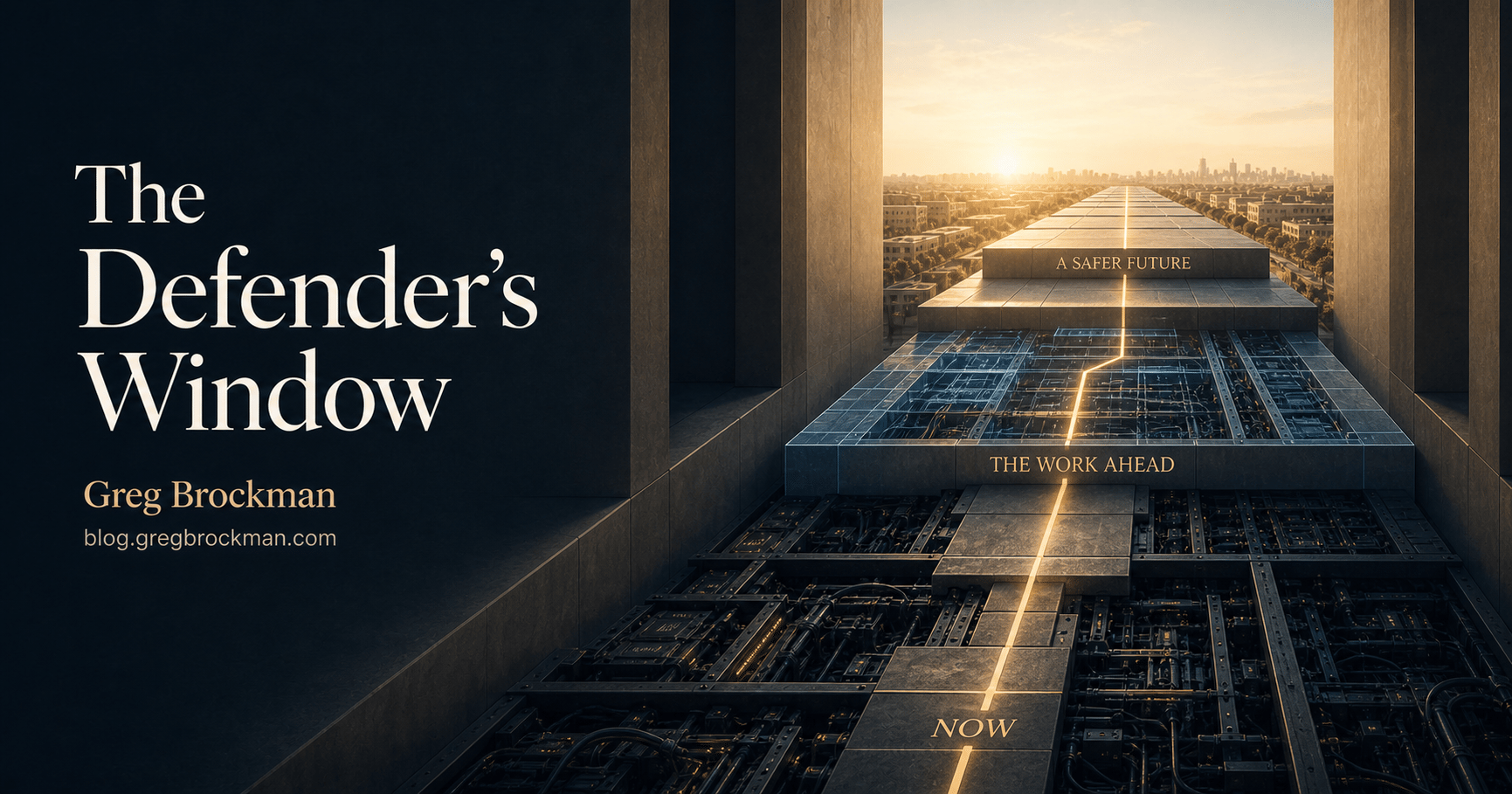
AI가 실제 시스템의 취약점을 연쇄적으로 악용할 수 있다는 위험이 실험실 밖에서 확인됐다. Greg Brockman은 공개형 GPT-5.6 Sol이 정적 웹사이트에서 15분 만에 13개 문제를 찾고 약 1시간 안에 수정했다고 밝혔다.

지원되는 Hugging Face 모델을 ONNX 중간 변환 없이 두 명령으로 TensorRT 추론 번들로 만들 수 있게 됐다. NVIDIA의 TensorRT Model Connect는 같은 번들을 네이티브 C++ API에서 실행하며, 전체 프로젝트는 Codex 에이전트와 사람의 검토로 구축됐다.