AI 해커뉴스
Claude Code 토큰 90% 절감, Spotify가 택한 ‘작업 분업’
큰 파일 읽기와 상용구 생성을 값싼 모델에 넘기고 어려운 판단만 Claude Code에 남기는 실험이 주목받았다. 평균 읽기 토큰을 약 90% 줄였지만 편집·디버깅·설계 판단까지 위임하면 정확도가 무너진다는 경계도 또렷하다.
2분 소요 2 조회
태그
#developer-tools 태그가 달린 기사
큰 파일 읽기와 상용구 생성을 값싼 모델에 넘기고 어려운 판단만 Claude Code에 남기는 실험이 주목받았다. 평균 읽기 토큰을 약 90% 줄였지만 편집·디버깅·설계 판단까지 위임하면 정확도가 무너진다는 경계도 또렷하다.
Claude Code가 사용자 동의 없이 모든 커밋 메시지와 PR 설명에 세션 URL을 자동 첨부하는 것이 알려지며 커뮤니티 비판을 받고 있다. Git 히스토리 오염과 비전문적인 외관이 주요 쟁점이다.
334점짜리 HN 논쟁은 “사람 승인”이 보안 장치로 충분한가라는 오래된 질문을 AI agent 시대 버전으로 되살렸다.
대형 변경 리뷰 병목을 줄이는 기능이 GitHub 기본 워크플로로 들어왔다. GitHub 문서는 stacked PR을 같은 저장소 안의 의존 PR 체인으로 만들고 독립 리뷰·병합할 수 있다고 설명한다.
MCP 2026-07-28 spec이 세션 기반 연결을 걷어내고 stateless core, MRTR, header routing을 정식으로 도입했다. TypeScript와 Python SDK가 각각 누적 10억 다운로드를 넘은 시점이라, agent tool 서버의 배포 방식이 바로 바뀐다.
OpenAI가 Codex Security CLI와 TypeScript SDK를 오픈소스로 공개했다. 트윗은 64만 회 이상 조회됐고, 저장소 스캔, 실행 간 취약점 추적, 수정 검증, CI 보안 검사를 한 도구로 묶었다.
MCP protocol이 2026년 7월 28일 stateless core로 이동합니다. GitHub MCP Server는 최신 spec을 선제 지원하며 Redis session 제거, payload deep inspection 축소, official conformance test 흐름을 공개했습니다.
588점 HN 토론의 관심은 “빠른 런타임”보다 Anthropic이 Bun을 어떻게 소유하고 운영할지에 모였다.
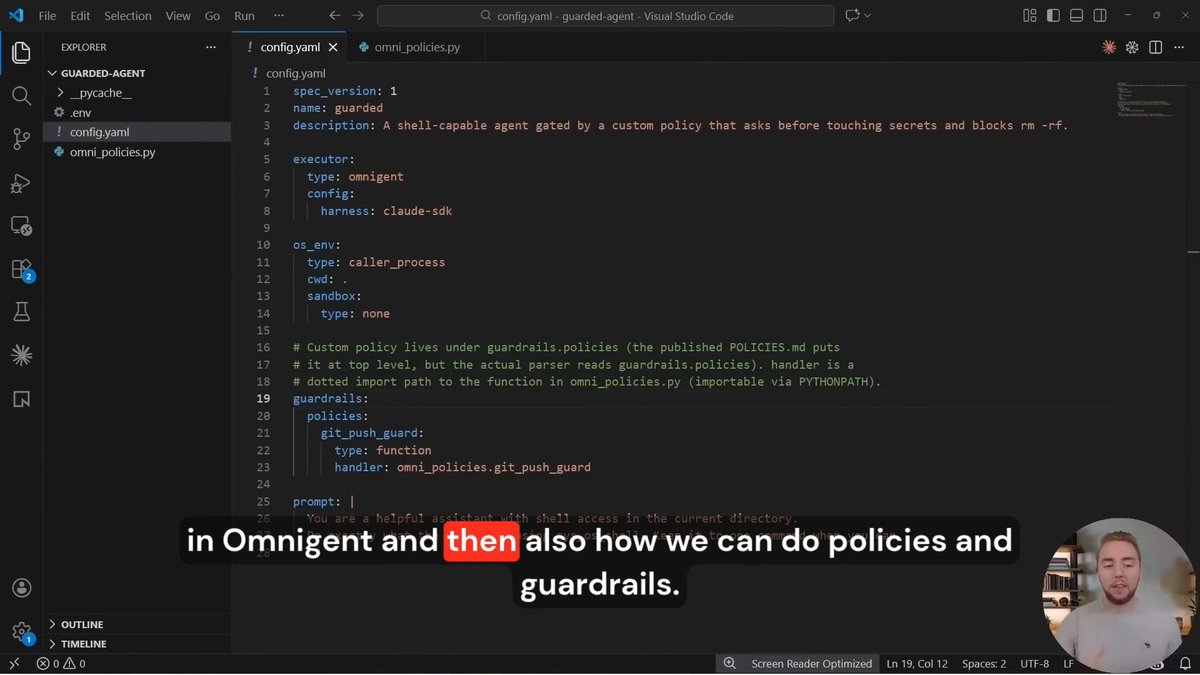
AI coding이 단일 assistant 경쟁에서 orchestration 문제로 넘어가고 있다. Omnigent는 여러 coding agent를 같은 세션에서 조율하고 guardrails와 human-in-the-loop 절차를 묶는 open-source meta-harness다.
터미널 안의 Copilot이 일회성 명령 보조에서 팀별 실행 절차를 반복하는 에이전트로 넓어진다. GitHub는 보안 감사, 릴리스 노트, 인시던트 대응 등 최소 4가지 반복 작업을 Markdown 프로필로 고정할 수 있다고 설명했다.
xAI의 Grok Build가 Railway 샌드박스에 들어가면서 개발자는 `ssh [email protected]` 한 줄로 실행 환경을 열 수 있다. xAI 게시물은 17만 회 이상 조회됐고, Railway의 원문 영상도 14만 회 이상 노출됐다.
privacy와 비용을 잡으려는 개발자들이 Qwen 3.6 27B의 “충분히 쓸 만한” 지점을 파고들었다.