LLM X/Twitter Jul 6, 2026 2 min read
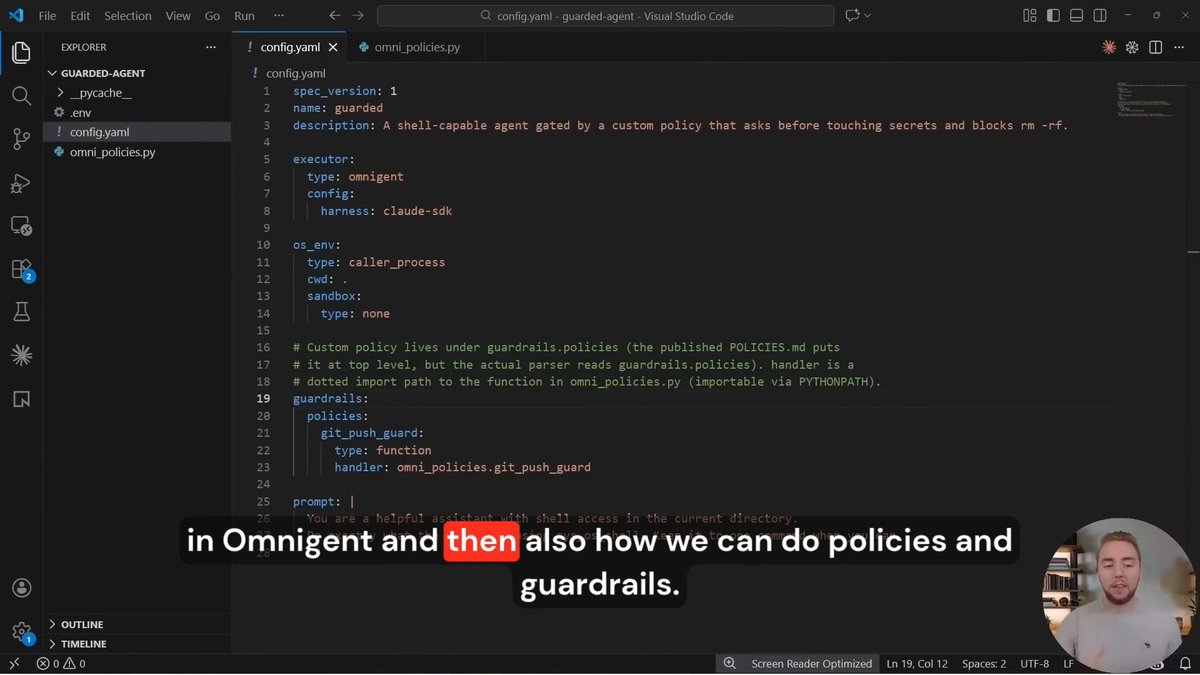
AI coding is shifting from picking one assistant to orchestrating several agents. Omnigent is an open-source meta-harness with shared sessions, guardrails, and human-in-the-loop workflows.
AI coding is shifting from picking one assistant to orchestrating several agents. Omnigent is an open-source meta-harness with shared sessions, guardrails, and human-in-the-loop workflows.
Databricks describes Omnigent as an open meta-harness that sits above agents. The concrete pitch is a common interface for composing agents, enforcing advanced policies, and collaborating in real time.

Databricks is positioning Genie Ontology as the context layer behind enterprise agents. It extracts knowledge from tables, queries, dashboards, pipelines, and apps so agents can decide where to look, what to trust, and which metric definition applies.
xAI is pushing Grok deeper into enterprise AI infrastructure by joining Databricks Agent Bricks. The move puts Grok beside OpenAI, Anthropic, Gemini, Qwen, and Kimi inside a governed agent-building platform.
Why it matters: Databricks is pushing BI assistants beyond single SQL answers toward multi-step analysis. Genie Agent Mode plans, tests hypotheses, executes multiple queries, and can show the SQL behind its findings.
Why it matters: enterprise coding agents are moving from experiments to managed infrastructure. Databricks is grouping coding agents, LLM calls, and MCP integrations behind three controls: governance, budgets, and observability.
On April 10, 2026, Databricks AI Research published Memory Scaling for AI Agents, arguing that agent performance can improve as external memory grows. The post reports gains in both accuracy and efficiency from labeled examples, raw conversation logs, and organizational knowledge.
Databricks said on March 24, 2026 that Lakewatch is a new open, agentic SIEM built to ingest multimodal telemetry, unify it with business data, and automate threat detection and response with AI agents. In its launch post, Databricks said Lakewatch enters private preview with customers including Adobe and Dropbox and argued that defenders now need machine-speed systems against AI-driven attacks.
Databricks posted on March 27, 2026 that its LogSentinel system uses LLMs to classify columns, apply hierarchical and residency-aware labels, and detect drift, with up to 92% precision and 95% recall for PII on 2,258 samples. Databricks documentation says Unity Catalog Data Classification uses an AI agent and LLM to classify and tag tables, while governed tags and ABAC policies translate those tags into consistent access and compliance controls.