Azure adds GPT-Realtime-1.5, GPT-Audio-1.5, and GPT-5.3-Codex to Microsoft Foundry
Original: New Azure OpenAI models are available in Microsoft Foundry: GPT-Realtime-1.5, GPT-Audio-1.5, and GPT-5.3-Codex. Built for low-latency voice + long-running engineering workflows. View original →
Announcement snapshot
On February 26, 2026, Microsoft Azure posted on X that new Azure OpenAI models are available in Microsoft Foundry: GPT-Realtime-1.5, GPT-Audio-1.5, and GPT-5.3-Codex. The post also frames intended use: low-latency voice scenarios and long-running engineering workflows. That combination is notable because it targets two operationally demanding classes of enterprise AI workloads at once.
Why enterprises should pay attention
At scale, successful AI adoption depends on reliability, governance, and cost control as much as benchmark scores. Realtime voice workloads stress latency budgets, turn-taking quality, and concurrency handling. Engineering copilots stress long-context stability, iterative code modification, test generation, and policy-compliant execution over extended sessions. Positioning these models together in Foundry suggests Microsoft is optimizing for production operations, not just demo-level capabilities.
Likely workload impact
For customer-facing teams, realtime and audio models can improve virtual agents in contact centers, technical support, and multilingual onboarding flows. For internal engineering teams, GPT-5.3-Codex may be more valuable for repository-wide reasoning, refactor planning, regression analysis, and long-horizon debugging loops than for single-shot code completion. In multi-team organizations, broader model options inside one managed platform can reduce integration friction and improve architecture flexibility.
Open questions
The X post does not provide pricing tiers, throughput ceilings, regional availability, or detailed compliance scope. Teams evaluating adoption should verify official documentation for rate limits, cost controls, data residency behavior, and auditability features before rollout. Even with those unknowns, this update is a clear signal that enterprise AI stacks are maturing toward mixed workloads: conversational interfaces on one side and deep software engineering automation on the other.
Source: Microsoft Azure on X
Related Articles
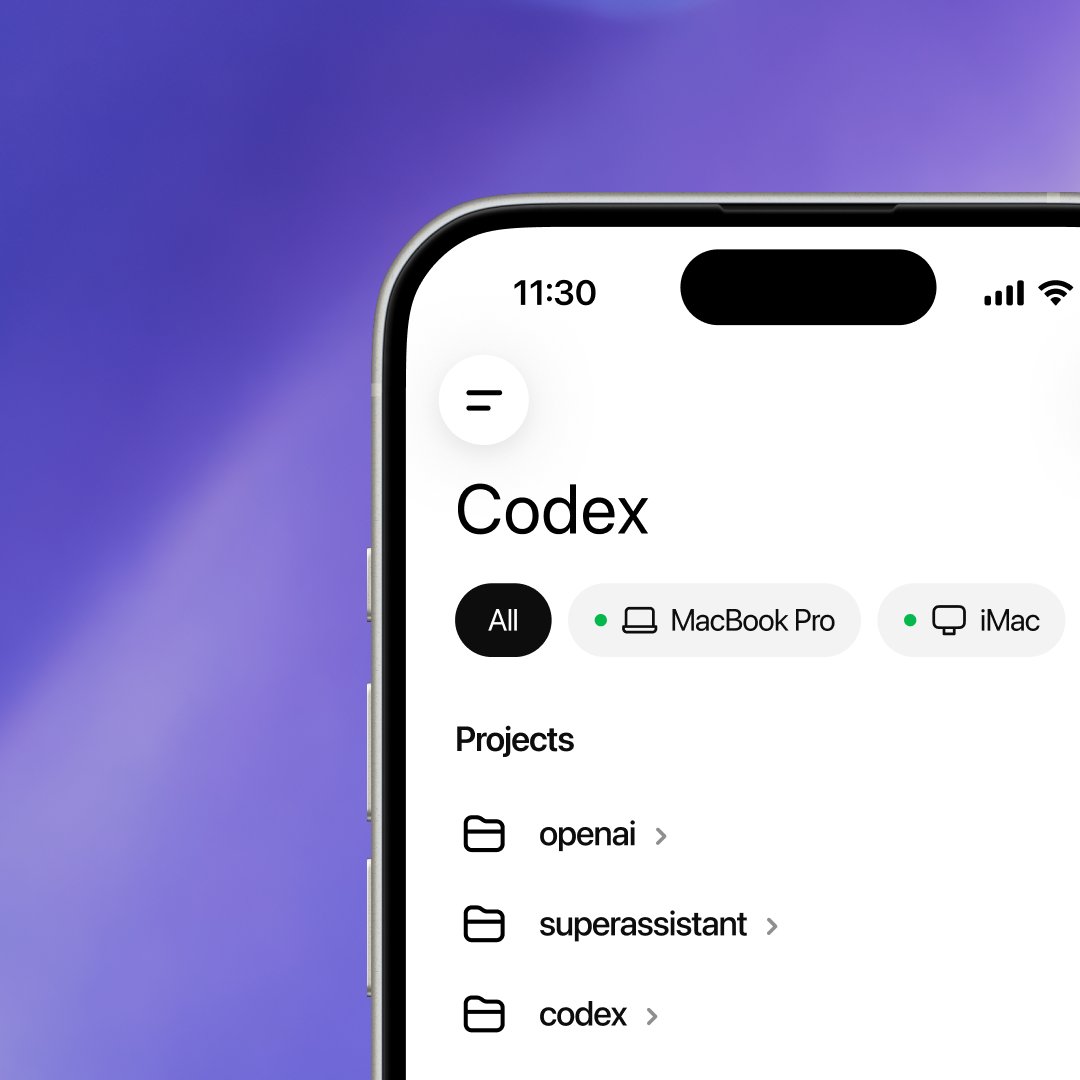
OpenAI announced that Codex, its AI coding agent, is coming to the ChatGPT mobile app, enabling users to write, edit, and debug code directly from their smartphones.
OpenAI and Dell Technologies announced a partnership on May 18 to bring Codex to hybrid and on-premises enterprise environments via the Dell AI Data Platform and AI Factory. The deal targets regulated industries — finance, healthcare, government — where data cannot leave private infrastructure. Codex currently serves over 4 million developers per week.
OpenAI launched Codex in the ChatGPT iOS and Android app, turning phones into a remote control for Codex sessions running on a desktop or devbox. The preview rolls out across all plans including Free, with 4 million weekly Codex users.