Databricks Omnigent, 여러 coding agent를 한 workflow로 조율
Original: Databricks Omnigent coordinates multiple coding agents in one workflow View original →
여러 agent를 고르는 문제가 시작점
AI coding workflow는 이제 어떤 모델 하나가 모든 작업을 맡는 구조에서 벗어나고 있다. Databricks는 소스 트윗에서 Omnigent를 “open-source meta-harness”라고 설명하며, 여러 coding agent를 한 workflow 안에서 조율해 작업별로 맞는 모델을 쓰기 쉽게 한다고 밝혔다. 짧은 문장이지만 방향은 분명하다. 개발자는 단일 assistant를 고르는 것이 아니라, 여러 agent가 같은 목표와 제약을 공유하도록 운영해야 한다.
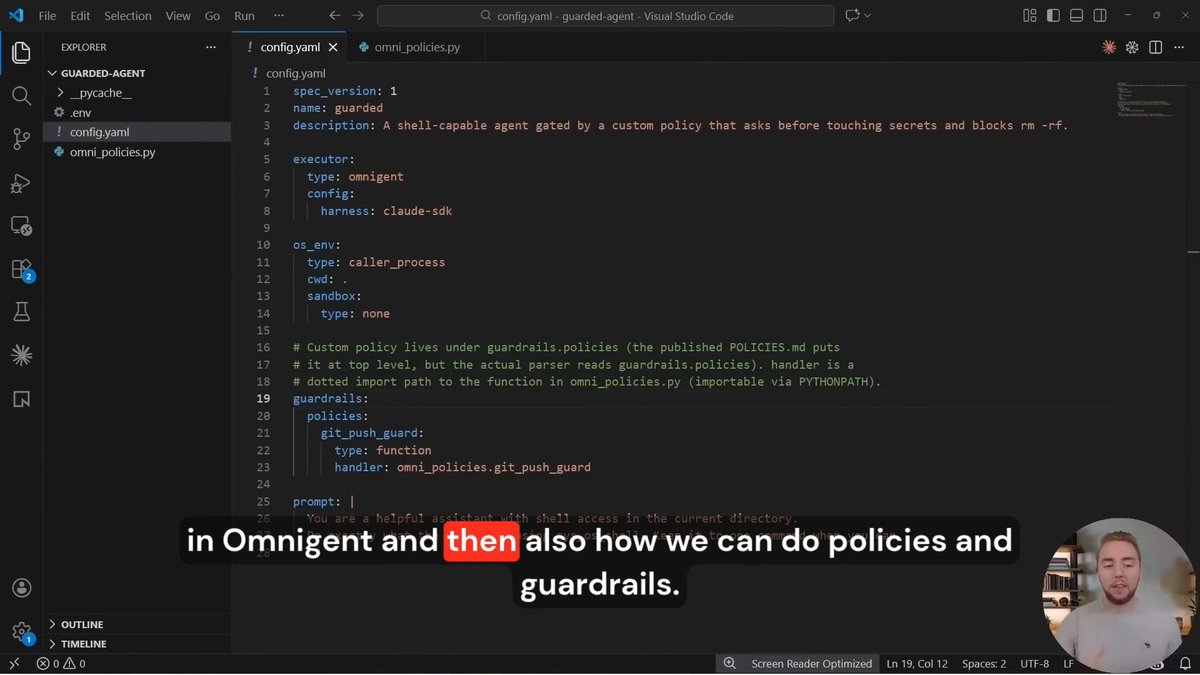
트윗에 연결된 109초 영상은 Databricks의 Cole Medin이 Omnigent의 용도를 설명하는 형식이다. 트윗 본문은 shared sessions, guardrails, human-in-the-loop workflows를 직접 언급한다. 이는 agentic coding에서 자주 생기는 세 가지 운영 문제와 맞닿아 있다. 여러 도구가 같은 파일과 맥락을 바라보는지, 자동 실행이 넘어서는 안 되는 경계가 어디인지, 사람이 언제 승인하거나 방향을 바꿔야 하는지다.
Databricks가 보는 agent 운영층
Databricks는 데이터와 AI 앱, analytics, agents를 위한 플랫폼을 표방해 왔다. 이 계정이 Omnigent를 전면에 둔 것은 coding agent가 IDE의 부가기능을 넘어, 데이터 플랫폼과 운영 workflow 안으로 들어오고 있다는 신호다. 특히 meta-harness라는 표현은 모델 자체보다 실행 구조에 초점을 둔다. 같은 작업 안에서 빠른 모델, 강한 reasoning 모델, 특정 코드베이스에 익숙한 agent를 나눠 쓰고, 그 결과를 사람이 검토 가능한 단위로 묶는 접근이다.
Engagement는 6,000회 이상 조회와 20회 repost 수준으로 대형 모델 출시만큼 폭발적이지 않다. 그래도 소재가 유효한 이유는 open-source agent orchestration이 실제 개발팀의 병목과 직접 연결되기 때문이다. 다음 관전 포인트는 Omnigent가 어떤 agent들을 기본 지원하는지, shared session의 상태를 어떻게 기록하는지, guardrail 위반과 사람 승인 로그가 감사 가능한 형태로 남는지다. coding agent의 성능 경쟁은 점점 model benchmark보다 workflow control에서 갈릴 가능성이 크다.
Related Articles
2026년 3월 20일 Hacker News에서 OpenCode가 크게 주목받으며, provider-agnostic model support와 TUI, build/plan mode를 갖춘 오픈소스 coding agent 수요를 드러냈다.
Hacker News는 Zed가 단순히 에이전트 패널을 하나 더 붙인 게 아니라, worktree 분리와 repo 접근 범위, 스레드 UI 자체를 제품의 중심에 놓았다는 점에 반응했다. 2026년 4월 25일 크롤링 시점 기준 스레드는 278점, 160댓글이었다.
710점을 모은 관심은 새 coding agent 하나보다, model·tool·session·sandbox·UI까지 plugin으로 교체할 수 있게 만든 구조에 쏠렸다. append-only 기록과 실행 모드 분리는 agent의 재현성과 실험 가능성을 전면에 둔다.