Hacker News Spots Gemma Gem, a Browser-Embedded Agent That Runs Gemma 4 With No Cloud
Original: Show HN: Gemma Gem – AI model embedded in a browser – no API keys, no cloud View original →
A Show HN thread pointed readers to Gemma Gem, a Chrome extension that tries to move a page-reading AI agent entirely into the browser. Instead of sending screenshots or DOM content to a remote API, the project runs Google's Gemma 4 through WebGPU using @huggingface/transformers and keeps the inference loop on the local machine.
The README makes the system design unusually concrete. An offscreen document hosts the model and the agent loop, a service worker routes messages and handles screenshot capture or JavaScript execution, and a content script injects the chat UI plus DOM tools. That split matters because it turns the extension into more than a local chatbot: it can read page content, click elements, type into inputs, scroll, capture the visible screen, and run JavaScript in the page context.
Gemma Gem also shows the current trade-offs of on-device browser AI. The smaller Gemma 4 E2B model needs about 500 MB of disk, while E4B needs about 1.5 GB after caching. Users need Chrome with WebGPU support, and the extension exposes settings for model choice, thinking mode, and maximum tool-call iterations. In other words, it is not pretending that local inference is free; it is packaging the constraints in a way that browser users can actually test.
That is why the HN post is notable. A lot of agent demos still depend on cloud inference, remote browsers, or server-side orchestration. Gemma Gem takes the opposite position: keep the model, context, and tools on the client, then accept the performance ceiling that comes with it. For privacy-sensitive browsing tasks, that local-by-default design is arguably the point rather than a limitation.
The original discussion is on Hacker News, and the implementation details live in the GitHub repository. Even if it remains a developer-first prototype, it is a clear example of how WebGPU, browser extensions, and open Gemma models are converging into a usable on-device agent stack.
Related Articles
The popular thread turned a local-inference stunt into a practical discussion about decoding bottlenecks, power cost, and runtime knobs.
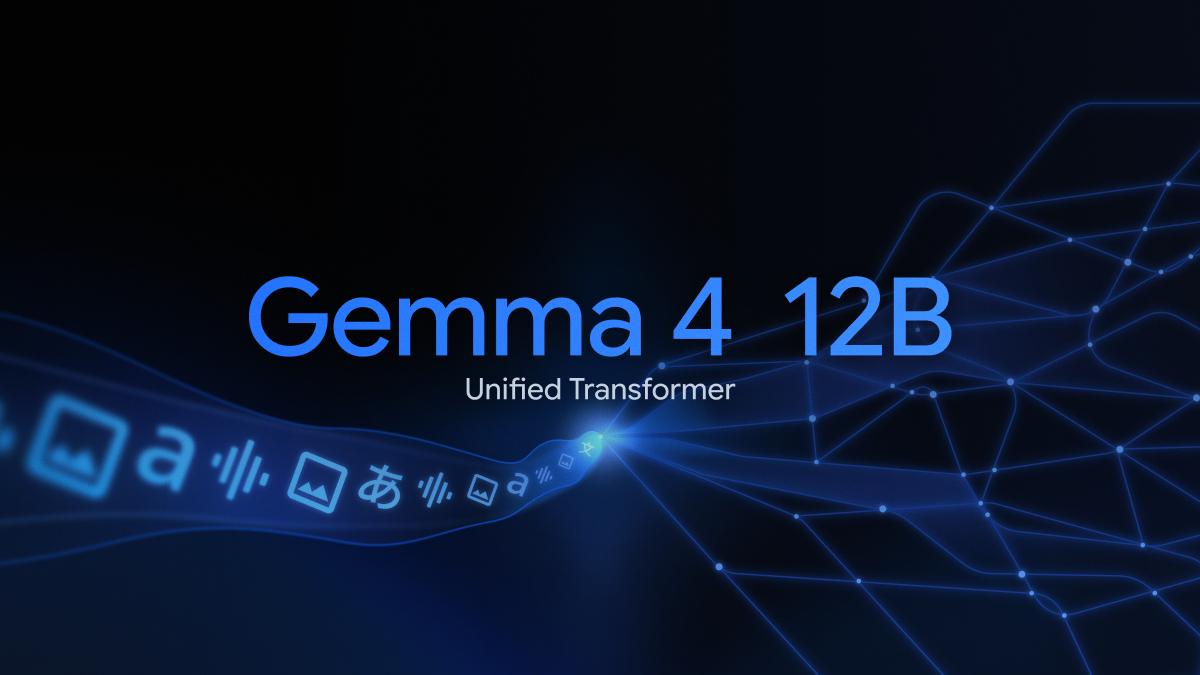
The thread’s energy centered on the architecture claim: what does “encoder-free” really mean for a 12B multimodal model?

Local multimodal AI is moving into the 12B class. Google Gemma introduced Gemma 4 12B under Apache 2.0, describing a unified encoder-free design for image, audio, and text inputs.