HN fixated on the harder question behind Claude Code: who owns AI-written code?
Original: Who owns the code Claude Code wrote? View original →
Hacker News latched onto "Who owns the code Claude Code wrote?" because it touches a fear many teams keep postponing: AI coding tools are now inside real release pipelines, but the ownership story is still messy. The linked piece uses the Claude Code leak and takedown frenzy as a frame, then walks through the questions that matter more than the headline drama: whether the code contains enough human authorship to be protected, whether an employer owns it under work-for-hire rules anyway, and whether unseen license contamination could come back later.
The useful part is that the article separates settled ground from open territory. Current US doctrine is still centered on human authorship. Purely machine-generated work is on thin ice, but AI-assisted work lives in a gray zone that depends on how much structure, rejection, rewriting, and design direction a person contributed. The piece argues that the difference between "prompted and merged" and "directed, reworked, and documented" is not cosmetic. It could decide whether a company can defend the output in a dispute or a transaction.
It also spends time on the less glamorous problem HN commenters kept circling back to: ownership may matter less in day-to-day engineering than in the bad moments. A fundraising review, an acquisition, a departing employee, a copied feature, or a GPL scare is when this stops feeling academic. One commenter brushed most code copyright concerns aside as practical noise. Another took the opposite view and said the money will decide long before theory does. That split captures the thread well. People are not sure the courts have clean answers, but they also do not think that uncertainty will stay harmless forever.
The most concrete takeaway is operational, not philosophical. Keep prompt logs when you make architectural decisions. Leave commit messages that show what you changed and why. Separate side projects from employer-licensed AI tools. Run license scans on AI-assisted repositories before shipping. HN’s mood was less "what a weird legal puzzle" and more "this is headed straight for procurement, due diligence, and HR, so engineers should stop pretending it is someone else’s problem."
Related Articles
A Hacker News thread highlighted Context Mode, an MCP server that reports reducing Claude Code tool-output context usage from 315 KB to 5.4 KB in tested workflows.
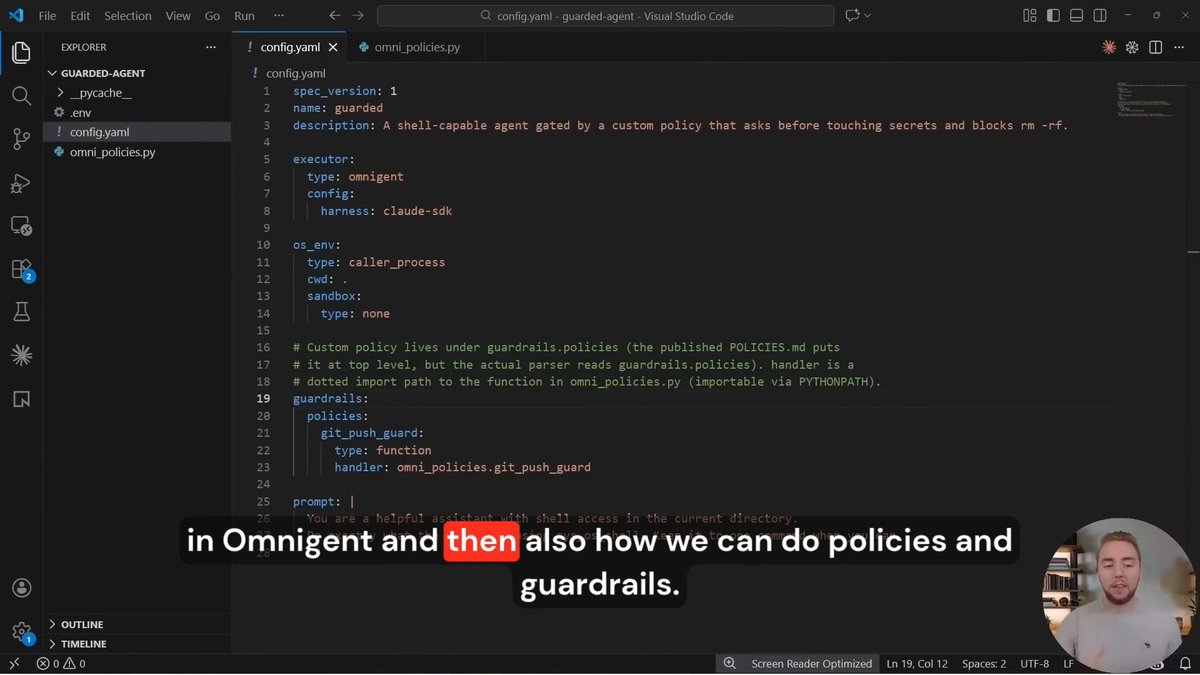
AI coding is shifting from picking one assistant to orchestrating several agents. Omnigent is an open-source meta-harness with shared sessions, guardrails, and human-in-the-loop workflows.
The HN discussion around Claude Code’s bundled Bun focused less on speed and more on what Anthropic’s ownership means for a developer runtime.