저커버그, AI 학습 저작권 침해 직접 승인 혐의로 피소
Original: Mark Zuckerberg 'Personally Authorized and Actively Encouraged' Meta's Massive Copyright Infringement to Train AI Systems View original →
소송 내용
Hachette, Macmillan, McGraw Hill, Elsevier, Cengage 5개 출판사와 작가 스콧 투로우(Scott Turow)가 Meta와 마크 저커버그를 상대로 미국 뉴욕 남부지방법원에 소장을 접수했다. 이들은 Meta가 Llama AI 시스템 학습을 위해 저작권이 있는 수백만 권의 책, 기사, 기타 저작물을 불법으로 복제했다고 주장한다.
핵심 주장: 저커버그의 개인 승인
이번 소송의 특이점은 CEO 마크 저커버그 개인을 공동 피고로 이름을 올렸다는 점이다. 원고 측은 저커버그가 저명한 해적 사이트에서 수백만 건의 저작물 무단 다운로드를 개인적으로 승인하고 적극 장려했다고 주장한다. 소장은 이를 역사상 가장 대규모 저작권 침해 중 하나라고 표현했다.
Meta의 입장
Meta 대변인은 법원이 AI 학습에 저작물을 활용하는 것이 공정 이용에 해당할 수 있다고 판결해왔다며 소송에 적극 대응할 것이라고 밝혔다.
소송의 전망
2025년 6월 연방법원이 Sarah Silverman을 포함한 작가 13명의 Meta 저작권 침해 소송을 기각한 전례가 있어 이번 소송의 성공 가능성은 불투명하다. 그러나 CEO 개인을 피고로 지목한 점은 AI 학습 데이터 사용에 대한 법적 책임 논의를 새로운 국면으로 이끌 수 있다.
Related Articles
뮌헨 지방법원이 Suno의 GEMA 레퍼토리 학습·저장·재생산에 독일 및 미국 저작권 침해 판단을 내렸다. 2025년 OpenAI 가사 사건에 이어, 생성형 AI의 학습 데이터 라이선스 논쟁이 음악 음원 영역으로 확대됐다.
13~17세라고 밝히거나 18세 미만으로 추정된 이용자는 이제 별도 ChatGPT 환경으로 자동 전환된다. 빠른 정답 대신 단계별 학습을 유도하고, 자해·섭식장애·성적 콘텐츠와 정서적 의존에 더 강한 기본 보호 장치를 적용한다.
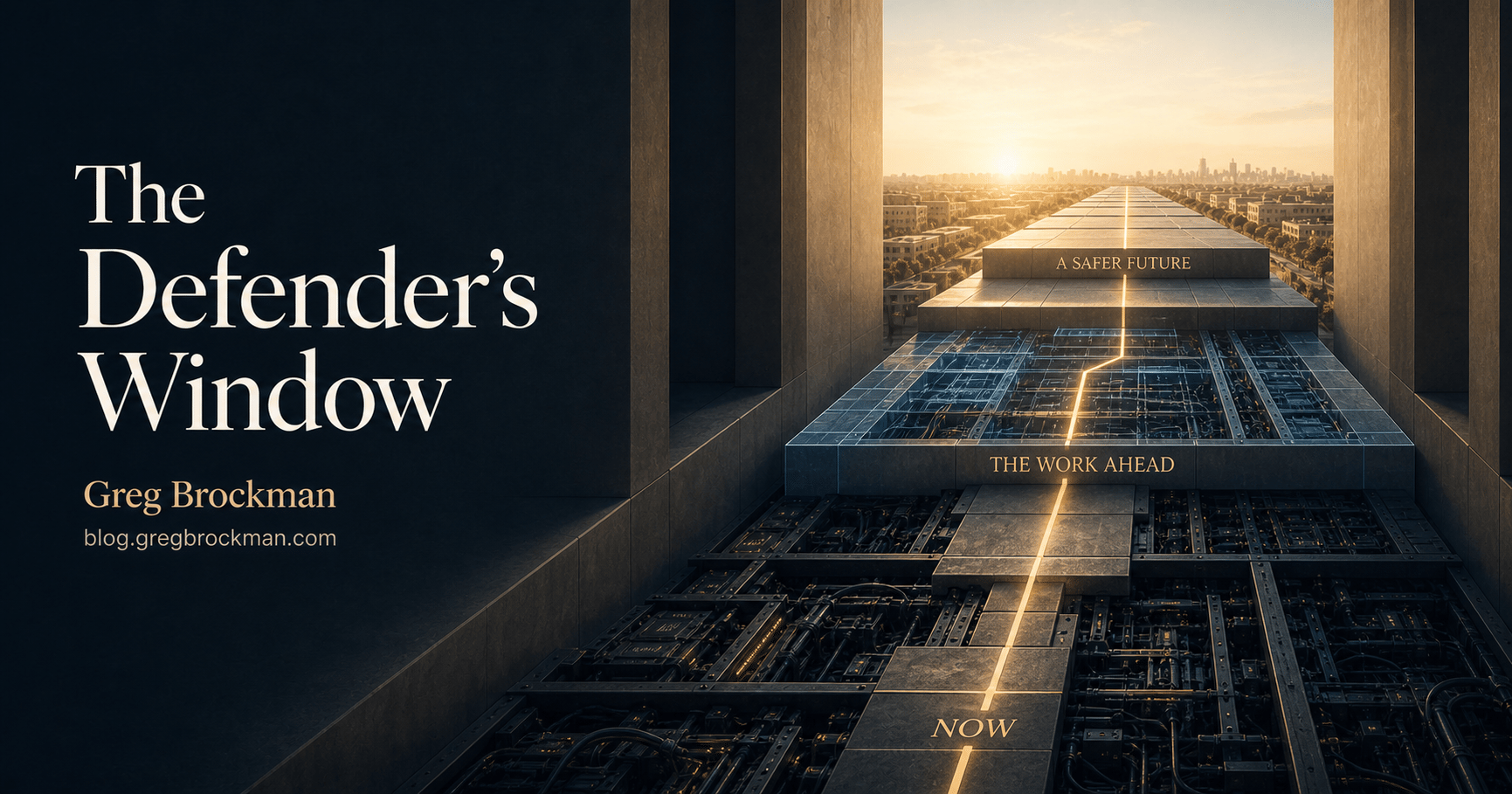
AI가 실제 시스템의 취약점을 연쇄적으로 악용할 수 있다는 위험이 실험실 밖에서 확인됐다. Greg Brockman은 공개형 GPT-5.6 Sol이 정적 웹사이트에서 15분 만에 13개 문제를 찾고 약 1시간 안에 수정했다고 밝혔다.