NVIDIA, industrial design·engineering·manufacturing 전반에 AI agents 투입
NVIDIA는 2026년 3월 16일 Cadence, Dassault Systèmes, PTC, Siemens, Synopsys가 NVIDIA 기반 AI agents와 GPU-accelerated software를 산업 workflow에 도입하고 있다고 밝혔다. 이번 발표는 chip design, automotive simulation, digital twins, manufacturing infrastructure를 AWS, Google Cloud, Microsoft Azure, OCI, 주요 OEM 파트너 전반으로 확장한다.
원문: NVIDIA and Global Industrial Software Giants Bring Design, Engineering and Manufacturing Into the AI Era 원문 보기 →
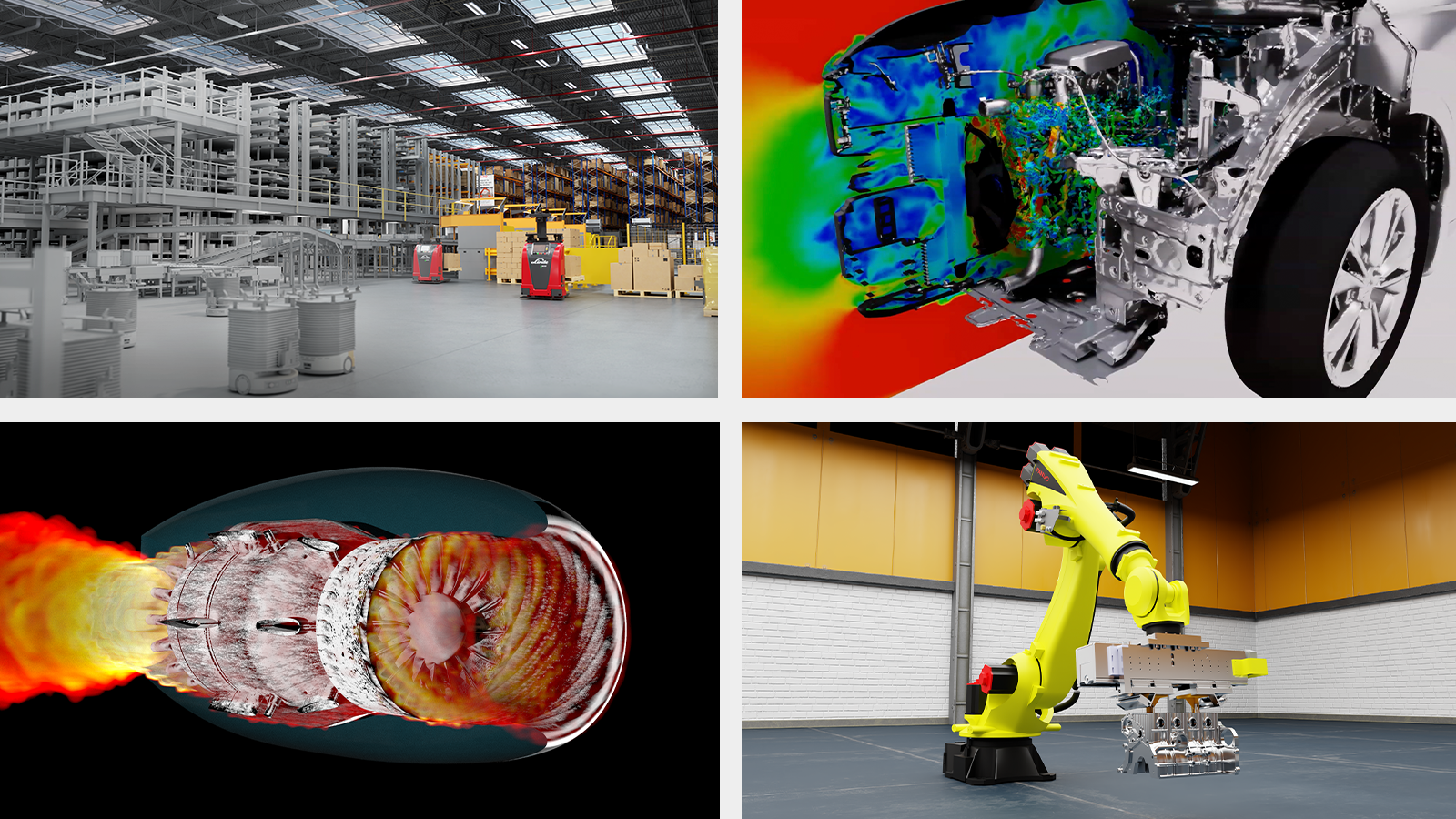
NVIDIA의 2026년 3월 16일 GTC 발표는 AI 담론을 model demo에서 실제 산업 운영으로 옮기려는 시도가 분명한 사례다. 회사는 Cadence, Dassault Systèmes, PTC, Siemens, Synopsys가 NVIDIA CUDA-X, Omniverse, NeMo, Nemotron, accelerated computing 위에서 agentic 도구와 GPU-accelerated software를 구축해 design, engineering, manufacturing workflow를 재편하고 있다고 밝혔다.
software 측면의 범위도 넓다. Cadence는 semiconductor design과 verification용 ChipStack AI SuperAgent를 내세웠고, Dassault Systèmes는 3DEXPERIENCE 플랫폼 위에서 role-based Virtual Companions를 구축 중이다. Siemens는 semiconductor와 PCB workflow 전반을 조율하는 Fuse EDA AI Agent를 발표했고, Synopsys는 AgentEngineer multi-agent framework를 확장하고 있다. NVIDIA에 따르면 이들 플랫폼은 AWS, Google Cloud, Microsoft Azure, Oracle Cloud Infrastructure 전반에서 구동되며, Dell, HPE, Supermicro는 on-premises와 hybrid deployment용 시스템을 공급하고 있다.
가치는 NVIDIA가 제시한 수치에서 더 분명해진다. 발표에 따르면 Honda는 Grace Blackwell 기반의 Synopsys Ansys Fluent를 사용해 aerodynamic simulation을 CPU 대비 34배 빠르게 수행하고 있다. JLR과 Mercedes-Benz는 Siemens Simcenter STAR-CCM+를 vehicle engineering workflow에 사용하고 있고, Rivian은 Dassault Systèmes의 SIMULIA 도구를 활용한다. aerospace 영역에서는 Ascendance가 Oracle Cloud에서 hybrid electric propulsion과 VTOL simulation을 same-day 수준으로 수행하고, energy 영역에서는 Solar Turbines가 Dell 인프라에서 360-degree, billion-cell combustor simulation을 14시간 만에 끝낸다고 한다.
전략적으로 가장 중요한 부분은 semiconductor 섹션일 수 있다. NVIDIA는 Samsung과 SK hynix가 memory production workload에 Cadence Pegasus, Synopsys PrimeSim, Siemens Calibre를 가속 시스템 위에서 사용하고 있다고 밝혔다. Astera Labs는 AWS의 Synopsys PrimeSim B200 GPU-accelerated EC2로 CPU-only 시스템 대비 3.5배 속도 향상을 얻고 있고, MediaTek은 NVIDIA H100 GPUs로 Cadence Spectre를 6배 가속하고 있다. TSMC와 Micron도 GPU-first, agent-assisted design workflow 전환에 포함됐다.
NVIDIA는 이를 digital twins와 industrial AI라는 더 큰 그림으로 묶었다. Siemens의 Digital Twin Composer, PTC의 Onshape-to-Isaac Sim workflow, NVIDIA와 Accenture가 함께하는 KION warehouse simulation은 industrial software가 factory, logistics, advanced manufacturing의 AI-native control layer로 바뀌고 있음을 보여준다. 이는 단일 model 출시보다 훨씬 큰 시장 기회다.
왜 중요한가
- AI agents를 office productivity를 넘어 chip, vehicle, factory workflow로 확장한다.
- industrial simulation과 EDA에서 GPU acceleration의 정량적 ROI 서사를 제공한다.
- NVIDIA를 software vendors, cloud providers, OEM hardware를 잇는 공통 플랫폼으로 자리매김시킨다.
관련 기사
NVIDIA, 인도 제조업 AI 전환 가속: 디지털 트윈·산업 소프트웨어 협력 확대
NVIDIA는 2026년 2월 17일 인도 대형 제조사와 글로벌 산업 소프트웨어 기업의 협력을 발표했다. Dassault, Siemens, Cadence, Ansys가 NVIDIA 가속 컴퓨팅·Omniverse와 결합해 설계·시뮬레이션·제조 최적화를 추진하며, 산업 소프트웨어가 2030년 인도 GDP에 1,340억 달러 이상 기여할 수 있다는 전망도 제시됐다.
CUDA 커널도 Rust로 직접 작성…NVIDIA, 메모리 안전성 갖춘 오픈소스 경로 2종 공개
Rust 코드가 래퍼를 거치지 않고 GPU용 PTX로 직접 향하는 두 경로가 열렸다. NVIDIA의 cuda-oxide와 cutile-rs는 각각 SIMT 제어와 타일 추상화를 택해, AI 인프라의 Rust 전환에서 마지막으로 남았던 커널 경계를 겨냥한다.
Samsung, digital twin·AI agent 기반 AI-Driven Factories 2030 로드맵 제시
Samsung은 2030년까지 글로벌 제조 운영을 AI-Driven Factories로 전환하겠다고 밝혔다. 핵심 축은 digital twin simulation, AI agent, 그리고 공장 내부 companion robot을 결합해 생산 현장을 site별로 최적화하는 것이다.