휴머노이드 로봇 X/Twitter
Figure 로봇 수가 직원 수를 넘어선 첫 순간, 휴머노이드 양산과 운용 규모의 새 기준
Figure 내부의 로봇 보유 수가 처음으로 직원 수를 넘어섰다. Brett Adcock이 공유한 차트는 2026년 로봇 대수가 급격히 늘고, 인력 곡선은 수백 명대에서 완만해진 흐름을 보여준다.
1분 소요 35 조회
태그
#manufacturing 태그가 달린 기사
Figure 내부의 로봇 보유 수가 처음으로 직원 수를 넘어섰다. Brett Adcock이 공유한 차트는 2026년 로봇 대수가 급격히 늘고, 인력 곡선은 수백 명대에서 완만해진 흐름을 보여준다.
새로운 초점은 챗봇이 아니라 항공기, 자동차, 반도체 장비 설계다. Mistral은 Airbus, BMW, ASML 사례와 Q3 2026 개소 예정인 10MW Les Ulis inference 시설을 함께 제시하며 산업용 AI stack을 전면에 세웠다.
영국 AI 로봇 스타트업 Humanoid가 2026년 5월 13일 글로벌 자동차 부품사 샤플러와 2032년까지 최대 2천 대의 휴머노이드 로봇을 배포하는 구속력 있는 계약을 체결했다.
모건스탠리 리포트에 따르면 중국의 휴머노이드 로봇 생산이 글로벌 제조업 점유율을 2030년까지 16.5%로 끌어올릴 가능성이 있다. Unitree Robotics는 올해 최대 2만 대 양산을 목표로 하고 있다.
Figure AI가 BotQ 공장에서 Figure 03 휴머노이드 로봇을 시간당 1대 생산하는 이정표를 달성했다. 하루 1대였던 1월에서 4개월 만에 24배 늘어난 수치로, 350대 이상이 납품됩다.
휴머노이드 경쟁의 병목은 데모가 아니라 생산량과 신뢰성이다. Figure는 F.03 생산을 120일 만에 24배 끌어올려 하루 1대에서 시간당 1대로 높였고, 이번 주 55대 생산을 예고했다.
r/singularity가 몰린 포인트는 “30분마다 humanoid 1대”라는 숫자와, 영상 속 자동화가 어디까지 자동화인지에 대한 즉각적인 의심이었다. Leju Robotics factory clip은 robots building robots라는 상상을 자극했지만, top comment는 조립 과정의 사람 손부터 짚었다.
Hacker News는 2026년 3월 30일 공개된 Meta의 BOxCrete를 산업용 AI 적용 사례로 다시 끌어올렸다. 이 글은 optimization model, 공개 데이터, 그리고 미국 내 소재 조달이라는 목표가 concrete 설계 문제에서 어떻게 결합되는지를 보여준다.
OpenAI가 January 2026에 U.S. hardware manufacturing RFP를 내고 consumer devices, AI datacenters, robotics 생산 파트너를 찾기 시작했다. 향후 10년 동안 핵심 제조와 조립의 상당 부분을 미국에 현지화하겠다는 계획을 공개 문서로 못 박은 셈이다.
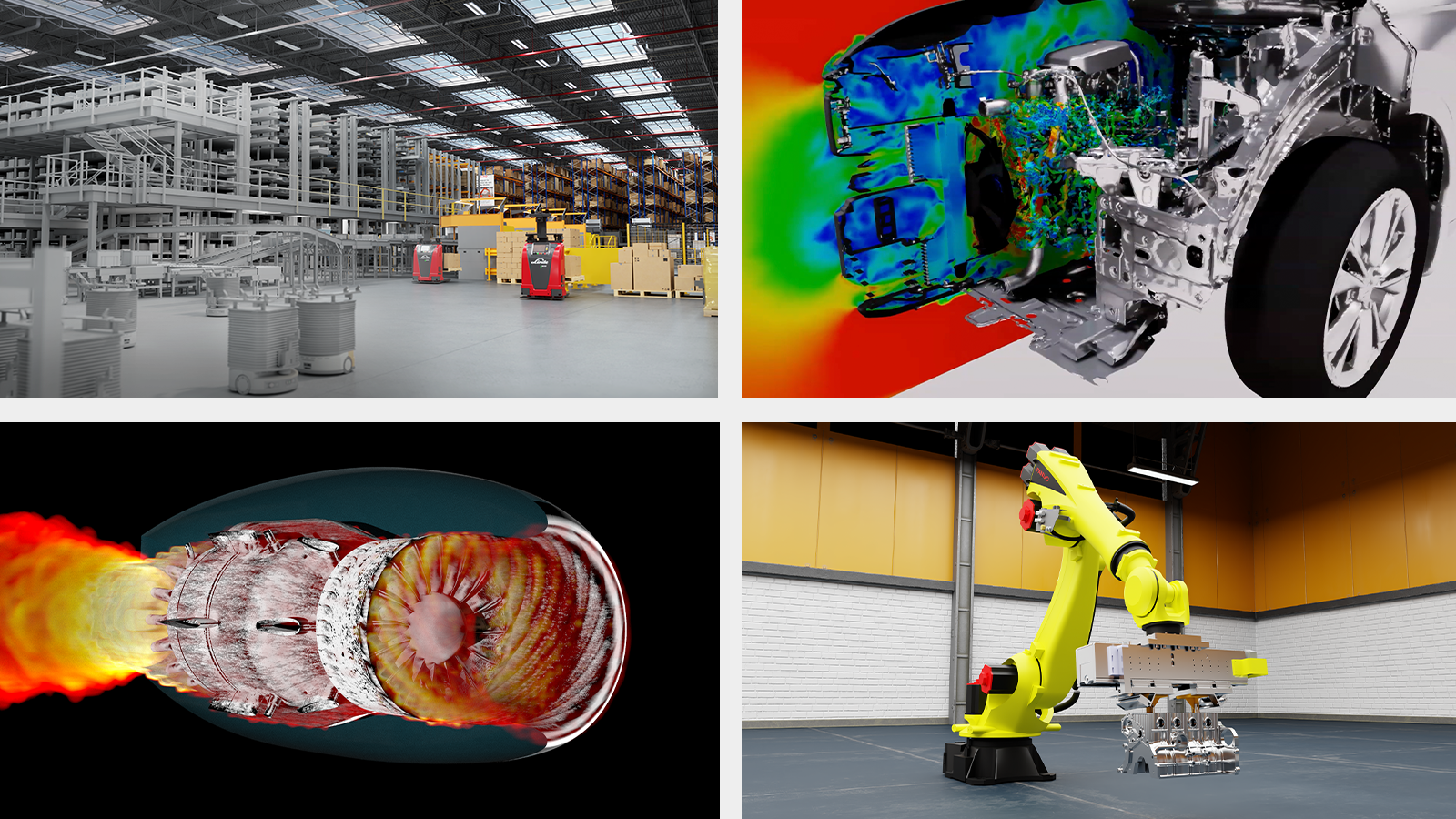
NVIDIA는 2026년 3월 16일 Cadence, Dassault Systèmes, PTC, Siemens, Synopsys가 NVIDIA 기반 AI agents와 GPU-accelerated software를 산업 workflow에 도입하고 있다고 밝혔다. 이번 발표는 chip design, automotive simulation, digital twins, manufacturing infrastructure를 AWS, Google Cloud, Microsoft Azure, OCI, 주요 OEM 파트너 전반으로 확장한다.
Samsung은 2030년까지 글로벌 제조 운영을 AI-Driven Factories로 전환하겠다고 밝혔다. 핵심 축은 digital twin simulation, AI agent, 그리고 공장 내부 companion robot을 결합해 생산 현장을 site별로 최적화하는 것이다.
NVIDIA는 2026년 2월 17일 인도 대형 제조사와 글로벌 산업 소프트웨어 기업의 협력을 발표했다. Dassault, Siemens, Cadence, Ansys가 NVIDIA 가속 컴퓨팅·Omniverse와 결합해 설계·시뮬레이션·제조 최적화를 추진하며, 산업 소프트웨어가 2030년 인도 GDP에 1,340억 달러 이상 기여할 수 있다는 전망도 제시됐다.