LLM 해커뉴스
13년 된 Xeon에서 Gemma 4 26B, GPU 없이 5 tok/s
HN의 논점은 “느리지만 된다”가 아니라 비용과 제어권이었다. 오래된 dual Xeon E5-2690 v2가 ik_llama.cpp 패치로 Gemma 4 26B-A4B를 CPU-only로 돌리며 local inference의 현실선을 다시 그었다.
2분 소요 26 조회
Insights
기사 27개
HN의 논점은 “느리지만 된다”가 아니라 비용과 제어권이었다. 오래된 dual Xeon E5-2690 v2가 ik_llama.cpp 패치로 Gemma 4 26B-A4B를 CPU-only로 돌리며 local inference의 현실선을 다시 그었다.
HN의 관심은 “로컬 LLM이 프런티어 모델을 대체했나”보다 “어떤 작업부터 로컬로 내려올 수 있나”에 모였다. Gemma 4와 Qwen 계열을 둘러싼 체감 성능, 비용, 프라이버시 논의가 한꺼번에 붙었다.
AI가 위성 사진을 지상으로 내려보낸 뒤 분석하는 순서를 뒤집기 시작했다. YAM-9 위성에서 Gemma 3 기반 VLM이 자연어 질의에 맞춰 관심 지역을 직접 찾은 첫 보고 사례가 나왔다.
OpenRouter가 Darkbloom을 통해 gpt-oss-20b와 Gemma 4 26B 무료 용량을 추가했다. 두 모델은 각각 21B·3.6B 활성 파라미터, 26B급·256K 문맥 같은 비용 대비 실험 포인트를 갖는다.
Google DeepMind가 26B MoE open model DiffusionGemma를 공개했다. 256-token 블록을 병렬로 다듬는 text diffusion 방식으로 전용 GPU에서 최대 4x 빠른 생성을 노린다.
Google이 Gemma 4 QAT 체크포인트를 공개하며 엣지 장치와 소비자 GPU용 로컬 추론을 겨냥했다. 모바일 포맷 기준 Gemma 4 E2B 메모리 사용량은 1GB까지 낮아진다.
댓글의 관심은 “encoder-free”라는 표현이 실제 아키텍처에서 무엇을 뜻하는지에 모였다.
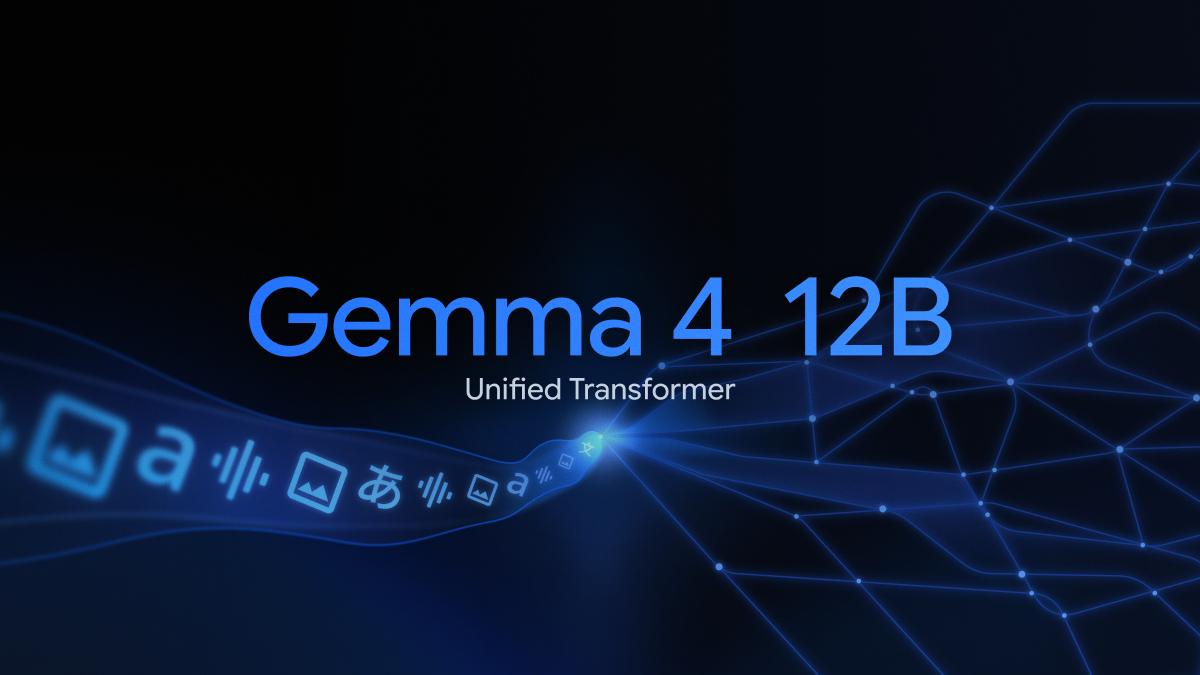
로컬 멀티모달 모델 경쟁이 12B급으로 좁혀졌다. Google Gemma는 Gemma 4 12B를 Apache 2.0으로 공개하며 이미지·오디오 입력을 별도 인코더 없이 처리한다고 밝혔다.
711점까지 오른 관심은 “GPU 없이 가능하다”보다 memory bandwidth와 inference 최적화의 현실에 쏠렸다.
Google이 Gemma 4 모델군을 위한 Multi-Token Prediction(MTP) 드래프터를 공개했다. 추측적 디코딩 아키텍처를 통해 출력 품질 저하 없이 추론 속도를 최대 3배 높인다.
LocalLLaMA 댓글은 토큰 속도보다 끝까지 굴러가는 결과물에 더 민감했다. 같은 MacBook Pro M5 Max에서 Qwen 3.6 27B는 더 길고 빠르게 썼지만, Gemma 4 31B는 훨씬 적은 토큰으로 게임 로직과 상호작용을 먼저 정리했다.
Google DeepMind의 새 훈련 구조가 중요한 이유는 데이터센터 경계 자체가 최전선 병목이 되고 있기 때문이다. Decoupled DiLoCo는 2-5Gbps 광역 링크 위에서 4개 미국 지역에 걸쳐 12B Gemma 모델을 학습했고, 기존 동기화 방식보다 20배 넘게 빠르면서 평균 정확도는 64.1%로 기준선 64.4%에 거의 붙었다.