LLM
466M 줄을 20시간에 점검, Claude Code가 정부 보안 인프라로 이동
앨버타주는 Claude Code 에이전트 약 50개로 정부 코드 4억6,600만 줄을 20시간 만에 훑었다. 개발자 생산성 도구였던 coding agent가 공공 부문 사이버 보안 운영으로 들어간 사례다.
2분 소요 24 조회
카테고리
Insights의 LLM 기사
앨버타주는 Claude Code 에이전트 약 50개로 정부 코드 4억6,600만 줄을 20시간 만에 훑었다. 개발자 생산성 도구였던 coding agent가 공공 부문 사이버 보안 운영으로 들어간 사례다.
NVIDIA는 Nemotron family가 100M downloads를 넘었다고 밝혔다. benchmark나 출시 문구가 아니라, open model 전략이 개발자 환경에 얼마나 퍼졌는지 보여주는 수치다.
LLM이 학습 데이터를 얼마나 암기하는지에 대해 NVIDIA가 ICML 논문을 공유했다. 핵심 수치는 parameter당 약 3.6 bits로, privacy와 scaling 논의를 사례가 아닌 용량 문제로 바꾼다.
대화 loop가 아니라 append-only log를 중심에 두자는 제안이다. HN 댓글은 agent harness들이 같은 패턴을 각자 재발명하는 흐름까지 짚었다.
Pass rate보다 token과 탐색 비용이 논점이다. HN 토론은 “성공률은 같아도 작업 흔적은 달라진다”는 지점을 파고들었다.
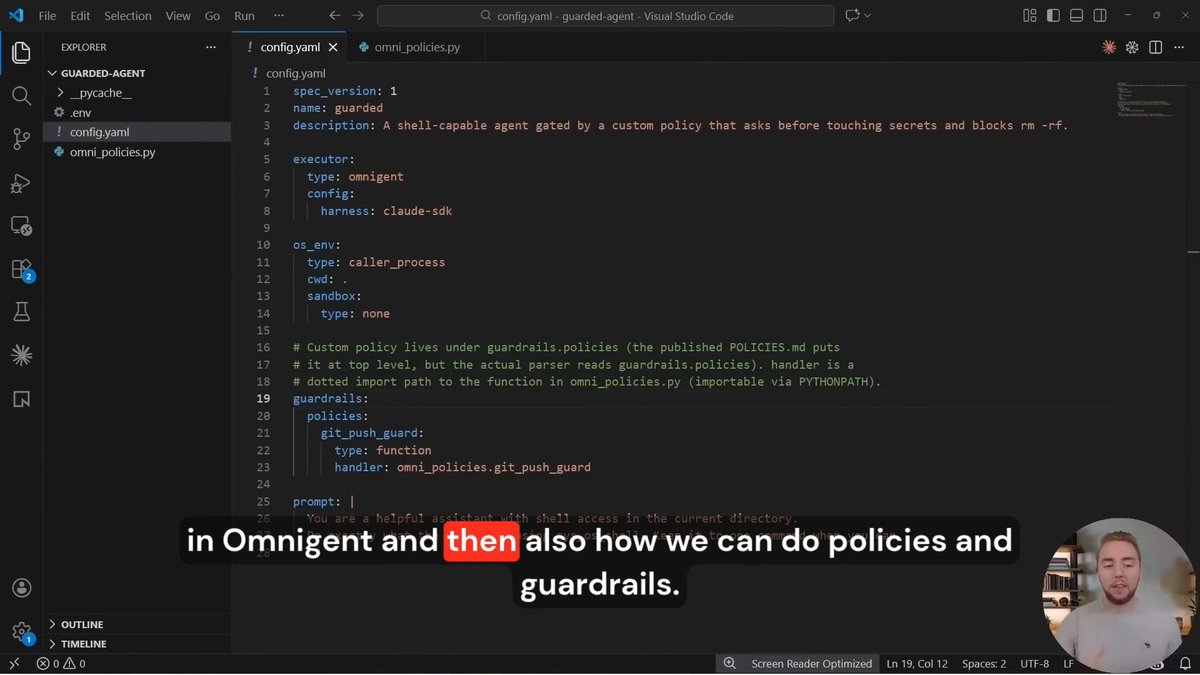
AI coding이 단일 assistant 경쟁에서 orchestration 문제로 넘어가고 있다. Omnigent는 여러 coding agent를 같은 세션에서 조율하고 guardrails와 human-in-the-loop 절차를 묶는 open-source meta-harness다.
터미널 안의 Copilot이 일회성 명령 보조에서 팀별 실행 절차를 반복하는 에이전트로 넓어진다. GitHub는 보안 감사, 릴리스 노트, 인시던트 대응 등 최소 4가지 반복 작업을 Markdown 프로필로 고정할 수 있다고 설명했다.
5개의 RTX PRO 6000과 5090까지 동원한 실험은 로컬 LLM의 낭만보다 전력, VRAM, 예산의 현실을 더 선명하게 보여줬다.
Safari Technology Preview 247에 들어간 MCP server는 agent가 DOM, 네트워크, 콘솔, 스크린샷을 직접 보게 하는 쪽으로 설계됐다.
534점까지 오른 논점은 단순한 캠페인이 아니라 로컬 LLM을 누가 허용하고 누가 막을 수 있느냐였다.
7월 2일부터 최근 60일 동안 fine-tuned model을 inference에 쓰지 않은 조직은 새 fine-tuning job을 만들 수 없다. 2027년 1월 6일에는 활성 기존 고객도 새 작업 생성이 막히며, 기존 fine-tuned model inference는 base model 폐기 전까지 유지된다.
xAI의 Grok Build가 Railway 샌드박스에 들어가면서 개발자는 `ssh [email protected]` 한 줄로 실행 환경을 열 수 있다. xAI 게시물은 17만 회 이상 조회됐고, Railway의 원문 영상도 14만 회 이상 노출됐다.