AI
Arm Neoverse CSS N4, 128코어·PCIe 7 탑재…성능 2배로 AI 데이터센터 공략
Arm의 Neoverse CSS N4가 다이당 최대 128코어, LPDDR6, PCIe 7을 한 설계에 담고 이전 N3 대비 성능을 최대 2배로 높였다. GPU만 늘리는 AI 데이터센터에서 에이전트의 도구 호출과 데이터 이동을 맡는 CPU 효율이 새 경쟁축으로 올라왔다.
2분 소요
Insights
기사 61개
Arm의 Neoverse CSS N4가 다이당 최대 128코어, LPDDR6, PCIe 7을 한 설계에 담고 이전 N3 대비 성능을 최대 2배로 높였다. GPU만 늘리는 AI 데이터센터에서 에이전트의 도구 호출과 데이터 이동을 맡는 CPU 효율이 새 경쟁축으로 올라왔다.
프런티어 모델 경쟁의 규모가 10만 GPU 훈련에서 40만 GPU 증설 단계로 커지고 있다. NVIDIA CEO 젠슨 황은 GPT-6 Astra가 약 10만개 이상의 Grace Blackwell NVLink72에서 훈련됐으며, 다음으로 40만개 GPU가 가동될 것이라고 밝혔다.
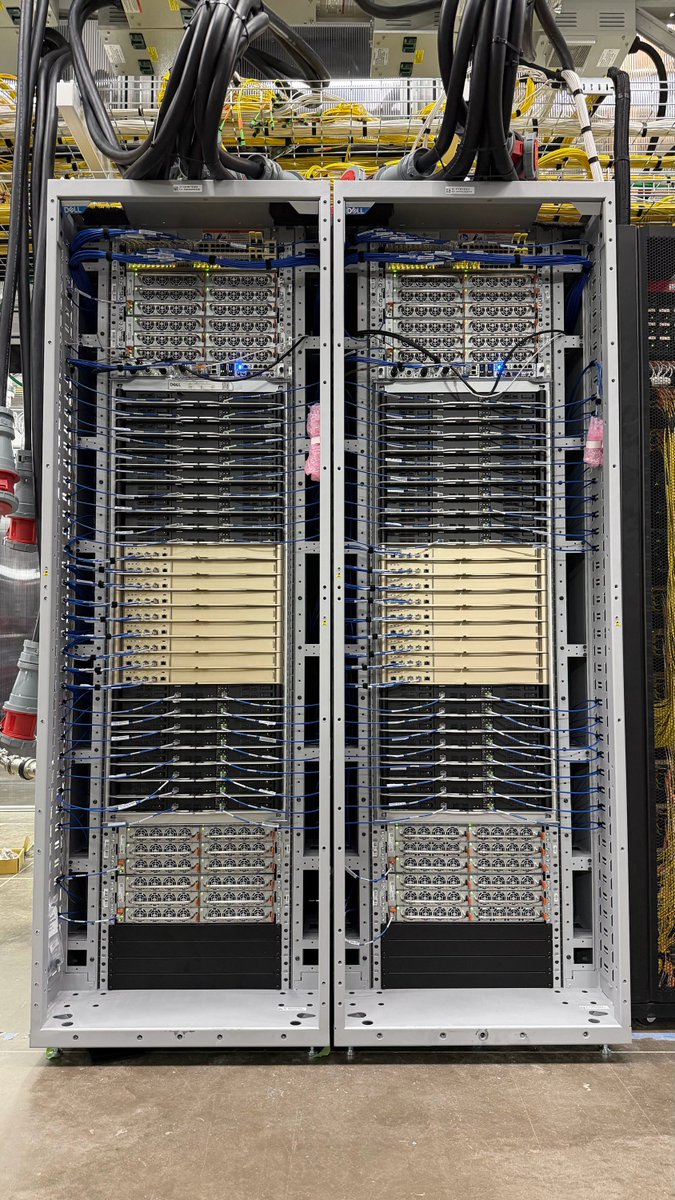
CoreWeave가 72개 Rubin GPU와 36개 Vera CPU를 묶은 첫 양산형 NVL72 랙의 가동 준비에 들어갔다. 랙당 HBM4 20.7TB와 NVLink 대역폭 260TB/s를 제공해 Rubin이 사양표에서 실제 클라우드 인프라로 넘어가는 신호이며 상용 인스턴스 일정은 아직 공개되지 않았다.
AI 데이터센터 개발사 Crusoe가 30억달러를 조달하며 기업가치 300억달러에 도달했다. 10개월 전 100억달러에서 세 배로 뛴 평가는 모델 경쟁만큼 거세진 전력·GPU 공급 경쟁을 보여준다.
AI 추론의 병목을 GPU 추가 구매가 아니라 칩 역할 분담으로 풀겠다는 Gimlet Labs가 3억달러를 조달했다. 회사는 같은 전력 조건에서 서로 다른 가속기를 조합해 5~10배 속도 향상을 냈다고 주장하며, 기업가치는 30억달러로 평가됐다.
유럽연합이 AI 연산 수요 부족을 메우기 위해 Bull에 3억8,780만 유로 규모 LUMI-AI 구축을 맡겼다. NVIDIA가 아닌 AMD AI 칩을 채택한 이 시스템은 핀란드에서 2027년 하반기 가동되며, 유럽 AI Factory 네트워크의 여섯 번째 신규 슈퍼컴퓨터가 된다.
앤드리슨 호로위츠(a16z)가 8월 28일 AI 하드웨어·인프라 전담 11억 달러 규모의 신규 펀드를 발표했다. 칩·메모리·데이터센터·로봇 등 물리 AI 생태계 전반에 투자한다.
Intel이 Hot Chips 2026에서 Diamond Rapids(서버), Crescent Island(GPU), Wildcat Lake(엣지) 세 가지 에이전틱 AI 플랫폼을 발표했다. 세 제품 모두 Intel 18A 공정과 Foveros Direct 3D 패키징을 공통 기반으로 삼는다.
NVIDIA가 2027 회계연도 2분기 매출로 $962억을 기록하며 전년 대비 106% 성장했다. 데이터센터 부문이 $890억으로 전체 매출의 92%를 차지하며 블랙웰 울트라 인프라의 폭발적 수요를 확인시켰다.
Emerald AI가 기업 가치 $10.5억에 $1.5억 시리즈 A 투자를 유치했다. AI 데이터센터를 전력망 유연 자산으로 전환하는 소프트웨어로 미국 기존 전력망에서 100GW 이상의 AI 인프라 용량 확보를 목표로 한다.
Databricks가 1900억달러 기업가치로 50억달러를 조달했고 연 매출 런레이트는 70억달러를 넘어섰다. 전년 대비 80%가 넘는 성장과 Lakebase의 1억달러 런레이트는 기업용 AI 에이전트 인프라에 자본이 집중되는 속도를 보여준다.
Mistral은 2030년까지 유럽 연산 용량을 최대 1GW로 늘리는 구상과 지역별 API를 묶었다. EU·미국 내 추론 위치 선택, SLA 기반 우선 등급, GLM-5.2 같은 제3자 공개 모델 지원이 핵심이다.