AI X/Twitter
앤트로픽, AI 정렬 평가 도구 Petri를 오픈소스 기관에 기증
앤트로픽이 AI 정렬 평가 도구 Petri를 독립 비영리 기관 Meridian Labs에 기증했다. Petri 3.0은 적응성·현실성·깊이 세 가지 측면에서 크게 개선됐으며, AI 평가 생태계를 강화한다.
1분 소요 40 조회
카테고리
Insights의 AI 기사
앤트로픽이 AI 정렬 평가 도구 Petri를 독립 비영리 기관 Meridian Labs에 기증했다. Petri 3.0은 적응성·현실성·깊이 세 가지 측면에서 크게 개선됐으며, AI 평가 생태계를 강화한다.
앤트로픽이 그동안 보안 연구자 커뮤니티 내에서 비공개로 운영하던 버그 바운티 프로그램을 HackerOne을 통해 일반 공개했다. 이제 누구든 취약점을 신고하고 리워드를 받을 수 있다.
AI 칩 기업 Cerebras Systems가 나스닥 IPO 공모가를 주당 $150~$160으로 상향했다. 20배 초과 청약에 완전 희석 기준 시총은 $488억 달러에 달한다.
NVIDIA AI가 하나의 체크포인트에 30B, 23B, 12B 추론 모델을 담은 Star Elastic을 공개했다. 제로샷 슬라이싱으로 별도 다운로드 없이 모델 크기를 동적으로 조정할 수 있다.
Cloudflare가 2026년 Q1 실적에서 3개월간 AI 사용량 600% 증가를 발표하면서 에이전틱 AI 구조조정의 일환으로 직원 1,100명(전체의 20%)을 해고한다고 밝혔다.
DeepMind 직원이 AGI 도달을 주장하는 비공개 AI 기업들을 정면 비판했다. 일반인 투자를 허용하거나, 그렇지 않으면 억만장자만 부유하게 만든다는 점을 인정하라는 주장이다.
Google이 Gemini API 파일 검색 도구를 멀티모달로 확장했다. 이미지, 오디오, 동영상을 포함한 다양한 파일 유형에 대한 효율적인 RAG 시스템을 구축할 수 있게 됐다.
Anthropic이 독립 연구기관 The Anthropic Institute(TAI)의 연구 아젠다를 공개했다. 경제 파급, 위협과 복원력, 현장의 AI 시스템, AI 주도 R&D의 4대 분야를 통해 AI가 사회·경제·안보에 미치는 영향을 추적한다.
Anthropic이 Code with Claude 2026에서 Claude 관리형 에이전트의 신기능 '드리밍'을 리서치 프리뷰로 공개했다. 드리밍은 에이전트가 세션과 세션 사이에 과거 작업을 자동 검토하고 메모리를 갱신해 성능을 점진적으로 향상시킨다.
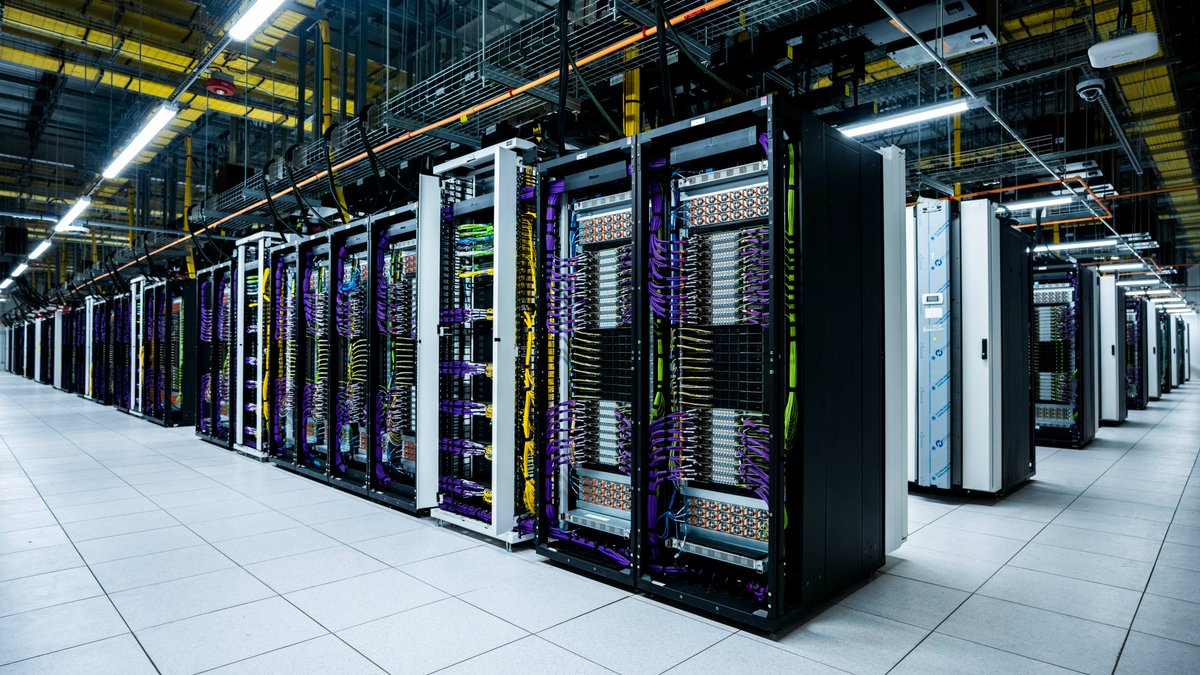
xAI가 22만여 개의 NVIDIA GPU를 갖춘 콜로서스 1 데이터센터를 Anthropic에 전면 제공한다. 이번 파트너십으로 Claude Code의 유료 요금제 사용 한도가 즉시 두 배로 늘어나고 피크 시간대 제한도 해제된다.
AI 고객 에이전트 플랫폼 Sierra가 Tiger Global·GV 주도로 9억 5천만 달러를 조달해 기업가치 158억 달러를 인정받았다. OpenAI 이사회 의장 Bret Taylor가 공동 창업한 이 회사의 ARR은 1억 5천만 달러로, 기업용 AI 에이전트 수요 급증을 반영한다.
Cloudflare가 1,100명 이상을 감축한다고 발표했다. 비용 절감이 아닌 AI 에이전트 시대를 위한 조직 재설계라고 설명하며 3개월간 사내 AI 사용량이 600% 증가했다고 밝혔다.