AI X/Twitter
OpenAI 연구조직, 코딩 에이전트 노동량이 인간의 3.1배로 역전된 내부 데이터 첫 공개
프런티어 AI 연구의 병목이 사람의 코딩 시간에서 에이전트 운영과 검증으로 매우 빠르게 이동하고 있다. OpenAI 연구조직은 8시간 근무일 기준 인간 노동 1일마다 코딩 에이전트 3.1일을 쓰며, 중앙값 연구자의 하루 추론 사용액은 API 가격 기준 600달러를 넘었다.
2분 소요 2 조회
카테고리
Insights의 AI 기사
프런티어 AI 연구의 병목이 사람의 코딩 시간에서 에이전트 운영과 검증으로 매우 빠르게 이동하고 있다. OpenAI 연구조직은 8시간 근무일 기준 인간 노동 1일마다 코딩 에이전트 3.1일을 쓰며, 중앙값 연구자의 하루 추론 사용액은 API 가격 기준 600달러를 넘었다.
Chrome에서 창을 닫을 때 사이트 데이터를 지우도록 설정해도 google.com의 쿠키와 저장소가 남는다는 재현 보고가 큰 관심을 모았다. 두 대의 Mac에서 확인된 독립 조사인 만큼 결함 가능성은 구체적이지만 Google의 확인과 수정 여부는 아직 남은 단계다.
Mullvad가 2022년부터 운영한 무료 공개 DoH 서버를 2026년 11월 2일 닫고 Quad9 후원으로 방향을 바꾼다. VPN 내부 DNS는 그대로지만 수동 설정과 Apple 기기 프로필 이용자는 직접 이전해야 한다.
야간의 반복 장애를 자동 해결하는 AI SRE가 평균 복구 시간을 낮추는 대신, 사람이 가장 어려운 사고를 처음부터 떠안게 된다는 역설이 긴 토론을 불렀다. 해법으로는 설명서보다 실제 장애를 재현하는 정기 훈련이 제시됐다.
큰 파일 읽기와 상용구 생성을 값싼 모델에 넘기고 어려운 판단만 Claude Code에 남기는 실험이 주목받았다. 평균 읽기 토큰을 약 90% 줄였지만 편집·디버깅·설계 판단까지 위임하면 정확도가 무너진다는 경계도 또렷하다.
회로도를 그리는 시연보다 실제 부품의 오차와 가격을 견디는지가 더 어렵다는 문제의식에 관심이 모였다. EEBench는 선언형 회로 코드와 SPICE 시뮬레이션으로 AI의 전자공학 실력을 재며, 13개 과제 최고 점수도 61.6%에 머물렀다.
NVIDIA CEO 젠슨 황이 9월 6일 GPT-6 Astra 출시 직후 X에서 'AGI가 도착했다'고 선언했다. AI 연구자들은 엄밀한 정의 없는 발언이라며 즉각 반박하고 나섰다.
기사 사용료를 둘러싼 분쟁이 손해배상을 넘어 AI 모델 자체의 존속 문제로 번졌다. Seattle Times와 Newsday는 38쪽 소장에서 자사 저작물을 포함한 훈련 데이터와 LLM의 압류·폐기까지 법원에 요구했다.
미국에서 초지능 AI의 개발·배포를 영구 금지하고 연방 안전 규칙이 마련될 때까지 첨단 AI를 멈추는 법안이 추진된다. 우회 개발은 개인에게 최대 20년형, 기업에는 이른바 기업 해산형을 부과하며 장관급 AI 규제기관과 국제 협정 신설까지 요구하는 매우 강한 제재안이다.
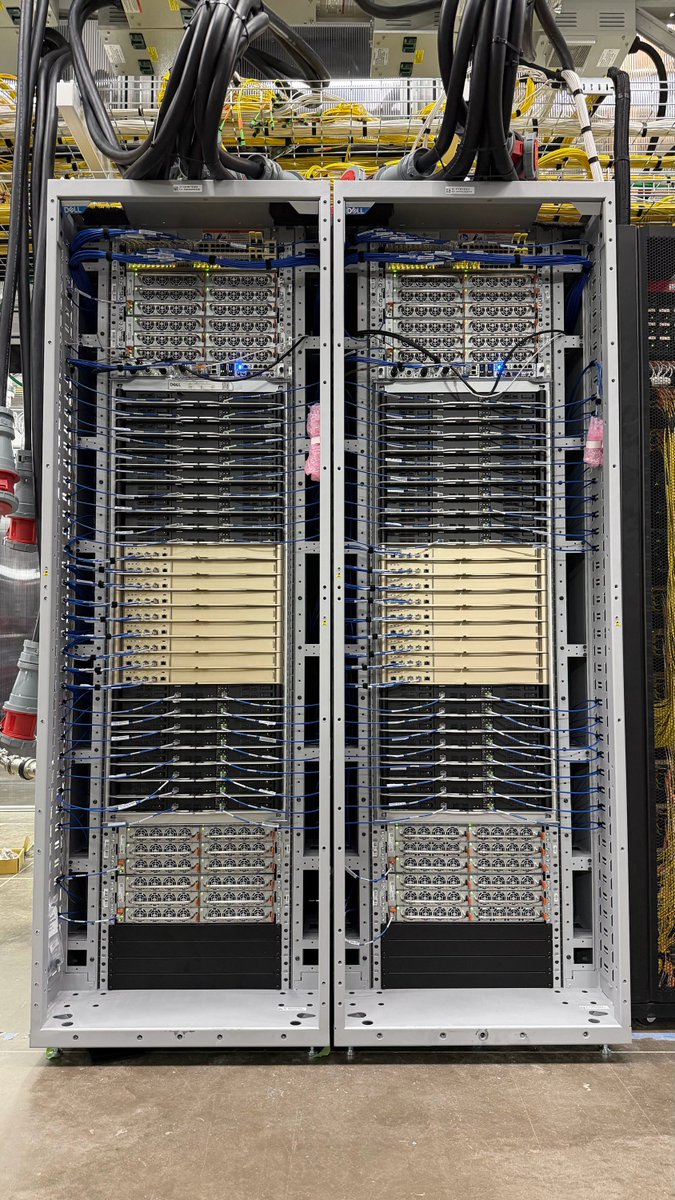
CoreWeave가 72개 Rubin GPU와 36개 Vera CPU를 묶은 첫 양산형 NVL72 랙의 가동 준비에 들어갔다. 랙당 HBM4 20.7TB와 NVLink 대역폭 260TB/s를 제공해 Rubin이 사양표에서 실제 클라우드 인프라로 넘어가는 신호이며 상용 인스턴스 일정은 아직 공개되지 않았다.
AI 데이터센터 개발사 Crusoe가 30억달러를 조달하며 기업가치 300억달러에 도달했다. 10개월 전 100억달러에서 세 배로 뛴 평가는 모델 경쟁만큼 거세진 전력·GPU 공급 경쟁을 보여준다.
AI 추론의 병목을 GPU 추가 구매가 아니라 칩 역할 분담으로 풀겠다는 Gimlet Labs가 3억달러를 조달했다. 회사는 같은 전력 조건에서 서로 다른 가속기를 조합해 5~10배 속도 향상을 냈다고 주장하며, 기업가치는 30억달러로 평가됐다.