AI 레딧
ChatGPT가 교과서 콘텐츠 제작에 투입된 현실
ChatGPT가 실제 교과서 제작에 활용되기 시작했다는 사례가 공개되며 AI의 교육 시장 침투가 현실로 자리잡았다. r/singularity에서 4700점 이상을 기록하며 큰 반향을 일으켰다.
1분 소요 38 조회
태그
#education 태그가 달린 기사
ChatGPT가 실제 교과서 제작에 활용되기 시작했다는 사례가 공개되며 AI의 교육 시장 침투가 현실로 자리잡았다. r/singularity에서 4700점 이상을 기록하며 큰 반향을 일으켰다.
HN이 400개 넘는 댓글을 단 이유는 nostalgia가 아니라, AI 시대의 과제가 학생의 사고 과정을 어떻게 증명해야 하느냐는 질문이었다.
HN이 MacMind를 올린 이유는 transformer를 inspect 가능한 크기로 줄였기 때문이다. Macintosh SE/30의 HyperTalk 안에서 1,216-parameter model이 embeddings, positional encoding, self-attention, backpropagation, gradient descent로 FFT bit-reversal을 배운다.
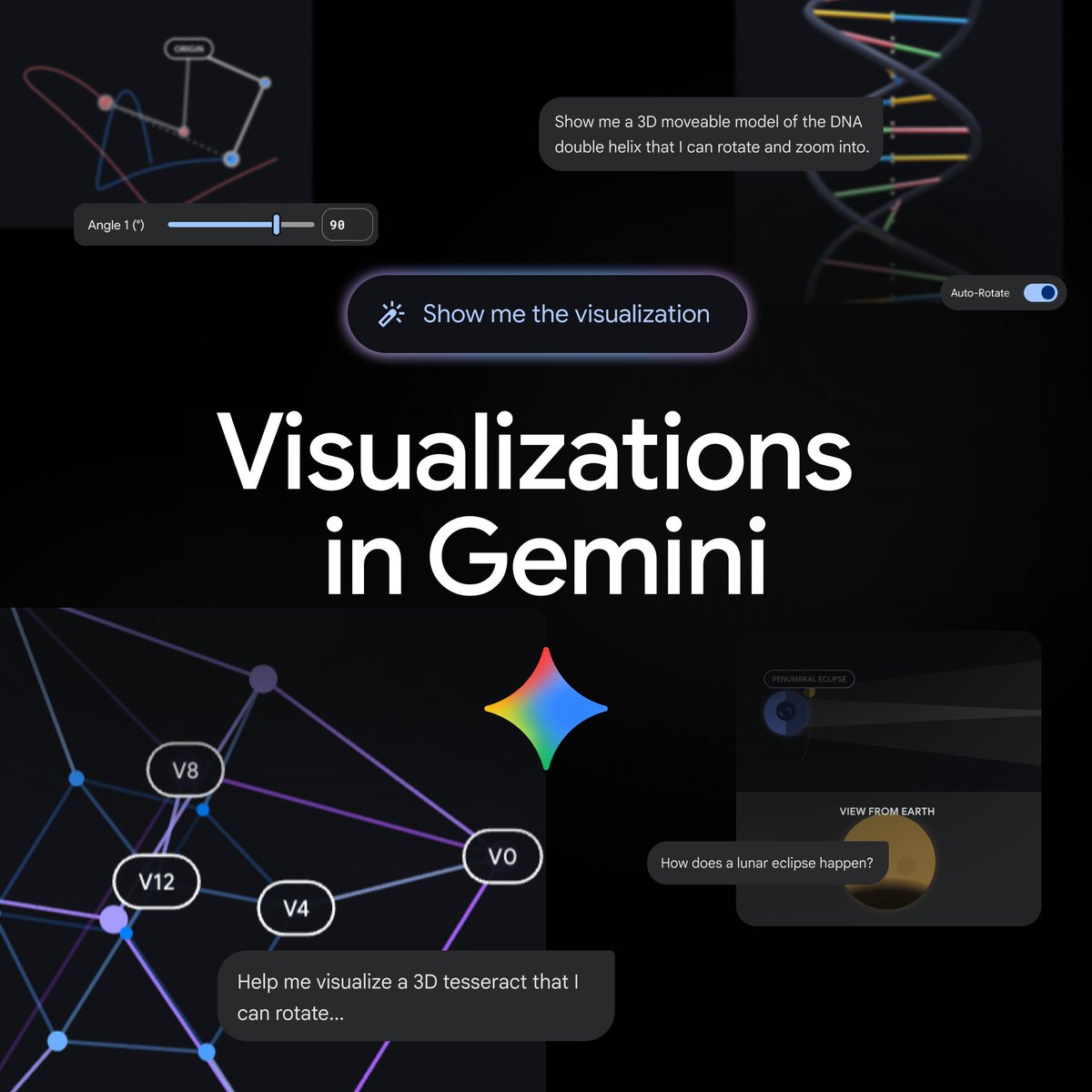
Gemini는 2026년 4월 9일 complex concept를 chat 안에서 interactive visualization으로 바꿀 수 있다고 밝혔다. Google 제품 글에 따르면 이번 업데이트는 global Gemini app 사용자에게 functional simulation과 parameter 조정 기능을 제공한다.
Hacker News의 Show HN에서 주목받은 GuppyLM은 60K 합성 대화 데이터와 단순한 transformer 구조로 LLM 학습 전 과정을 드러낸다. Colab과 브라우저에서 바로 실행할 수 있는 교육용 초소형 모델이라는 점이 핵심이다.
Stanford의 공개 CS25 강의는 Zoom, recordings, Discord를 통해 campus 밖까지 확장된 Transformer 연구 학습 채널로 다시 작동하고 있다.
Anthropic과 Rwanda 정부는 새로운 3년 계약으로 Claude를 국가 보건, 교육, 공공부문 workflow로 확대하겠다고 밝혔다. 이번 합의는 단순한 도구 제공이 아니라 training, API credit, local capacity building을 함께 묶는다.
r/MachineLearning에서 공유된 MIT 2026 course는 flow matching과 diffusion models를 강의 영상, 수학 노트, coding exercises로 묶어 제공한다. 새 과정은 latent spaces, diffusion transformers, discrete diffusion language models까지 범위를 넓혔다.
OpenAI Developers는 2026-03-20 X 게시물에서 미국과 캐나다의 인증된 대학생이 Codex용 $100 크레딧을 받을 수 있다고 발표했다. OpenAI 안내 페이지는 이것이 2,500 ChatGPT credits에 해당하며, SheerID 인증이 필요하고, grant 날짜 기준 12 months 후 만료된다고 설명한다.
OpenAI는 ChatGPT에 70개가 넘는 핵심 math·science 개념을 대상으로 한 dynamic visual explanation 기능을 도입한다고 발표했다. 이 기능은 formula와 variable, graph를 직접 조작하며 이해하도록 설계됐고, 2026년 3월 10일부터 전 세계 모든 plan에 순차 적용된다.
Hacker News에서 주목받은 Techdirt 기사는 AI 탐지기 중심 평가가 학생들에게 더 나쁜 글쓰기와 점수 맞추기용 AI 사용을 유도한다고 지적한다.
OpenAI가 교육 현장에서 AI의 실제 학습 효과를 측정하기 위한 Learning Outcomes Measurement Suite를 발표했다. 2026년에 7개국 1만 명 이상 학생과 10개 파트너 기관이 참여하는 독립 파일럿을 진행하고, 결과를 바탕으로 오픈소스 평가 도구를 확장하겠다고 밝혔다.